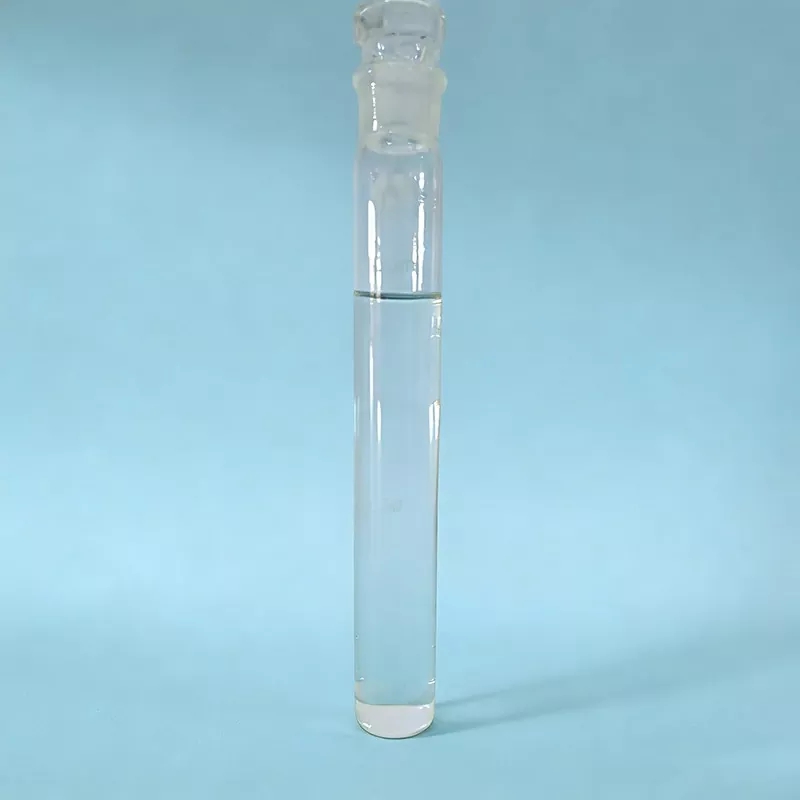
Trimethyl Orthoacetate is a highly active intermediate in the fine chemical industry, which combines four reaction characteristics: condensation, methylation, carbonyl protection, and dehydration closure. Its core covers five major fields: pharmaceuticals, pesticides, fragrances, new materials for coatings, and organic synthesis laboratories.
1、 The pharmaceutical industry (the largest consumer scenario, accounting for over 40% of the market)
Vitamin synthesis
The core raw materials for synthesizing vitamin A, vitamin E, and vitamin B1 are used to construct isoprene molecular chains, with few reaction by-products and high yield of finished products. They are essential reagents for the industrialization of fat soluble vitamins.
Antibiotics, antimicrobial agents
Quinolone antibiotics, cephalosporin antibiotics, and sulfonamide drug intermediates participate in heterocyclic ring condensation reactions to accurately construct drug active parent nuclei; Used for the molecular synthesis of valsartan and irbesartan antihypertensive drugs.
Featured active pharmaceutical ingredients
Hormonal, antiviral, anti-tumor, and antifungal drug intermediates; Modification reagents for nucleoside antiviral drugs; Serve as a carbonyl protectant in multi-step synthesis, avoiding side reactions of aldehyde ketone functional groups and improving the purity of raw materials.
Core function: Mild condensing agent, alkoxylation reagent, system dehydrating agent, suitable for pharmaceutical high-purity and low impurity production standards.
2、 Pesticide/agrochemical industry (second largest application)
Pyrethroid insecticide
The synthesis of methyl dichlorobenzoate (core intermediate of chlorpyrifos and efficient chlorpyrifos) is an irreplaceable raw material for the production of pyrethroid pesticides, which enhances the stability and insecticidal activity of the pesticide through cyclization reactions.
Fungicides and herbicides
The raw materials for the synthesis of fungal fungicides such as triazolone and herbicides such as fludioxonil are used to construct oxygen-containing/nitrogen-containing heterocycles, optimize the intramolecular absorption and conductivity of pesticide molecules, reduce the decomposition rate of pesticides, and extend their shelf life.
Production advantages: Mild reaction conditions, recyclable by-product methanol, suitable for green pesticide production processes.
3、 Spices, cosmetics and food essence
Synthetic edible/daily chemical spices
Preparation of citral, citronellal, linalyl acetate, geranyl acetate and other terpene spices, production of citrus, flower scented essence, used in beverages, candy, perfume, cosmetics; FEMA certified compliant food flavoring intermediate.
Aldehyde spice stabilizer
Convert easily oxidized aldehydes into stable acetals, delay the deterioration of essence, extend the fragrance retention time, and solve the pain points of volatile and oxidized aldehydes.
4、 Coatings, organic silicon, sealant new materials industry
Coating dehydration additive
Polyurethane, epoxy, and unsaturated resin system specific water removal agents capture trace amounts of moisture in the system, prevent paint and topcoat bubbles, loss of gloss, pinholes, and improve film adhesion and appearance smoothness.
Organic silicon cross-linking modification
Synthesis modifier of silicone resin, silicone rubber, and silane coupling agent to enhance the high temperature resistance, hydrolysis resistance, and aging resistance of silicone materials; Moisture curing sealant curing promoting agent.
Ink and resin modification
Adjust the ink leveling and drying speed, and use it as a low odor active diluent.
5、 General Organic Synthesis and Laboratory Reagents
Functional group protection reagent
Aldehyde and ketone carbonyl protectants generate stable aldehydes/ketals, shield sensitive sensory groups in multi-step organic synthesis, and can be gently deprotected after reaction. They are widely used in fine heterocyclic synthesis.
Closed loop/cyclization reaction block
The synthesis of nitrogen-containing heterocyclic compounds such as pyridine, pyrimidine, imidazole, and pyrazole for pharmaceuticals and dyes is a specialized reagent for Claisen rearrangement and ester exchange reactions.
Methylation and dehydration coupling reagents
Carboxymethyl ester conversion and Mitsunobu coupling reaction raw materials can replace highly corrosive methylation reagents, resulting in higher reaction selectivity.
We use cookies to offer you a better browsing experience, analyze site traffic and personalize content. By using this site, you agree to our use of cookies.Privacy Policy