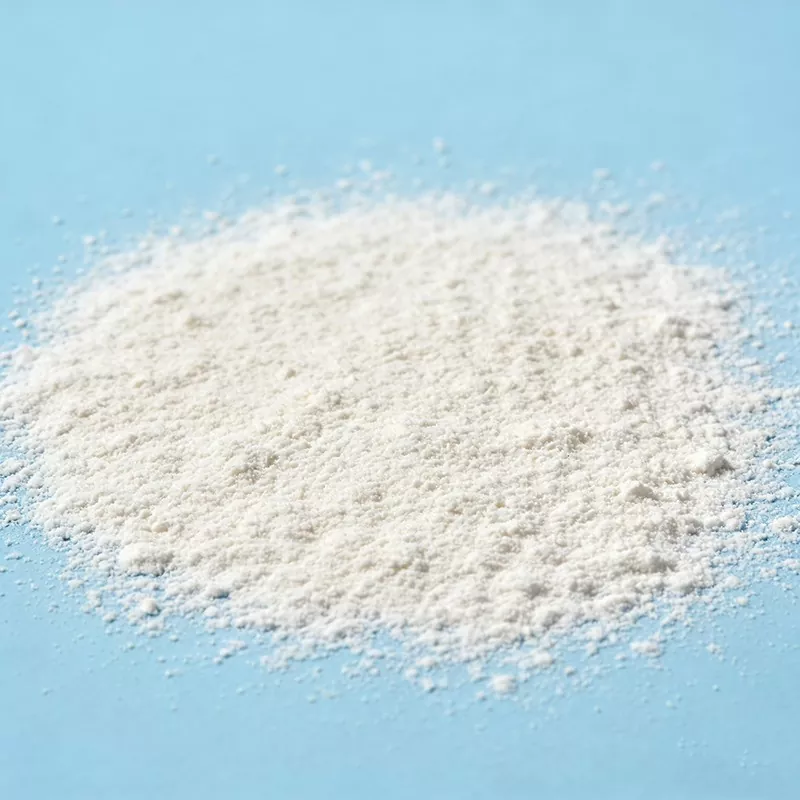
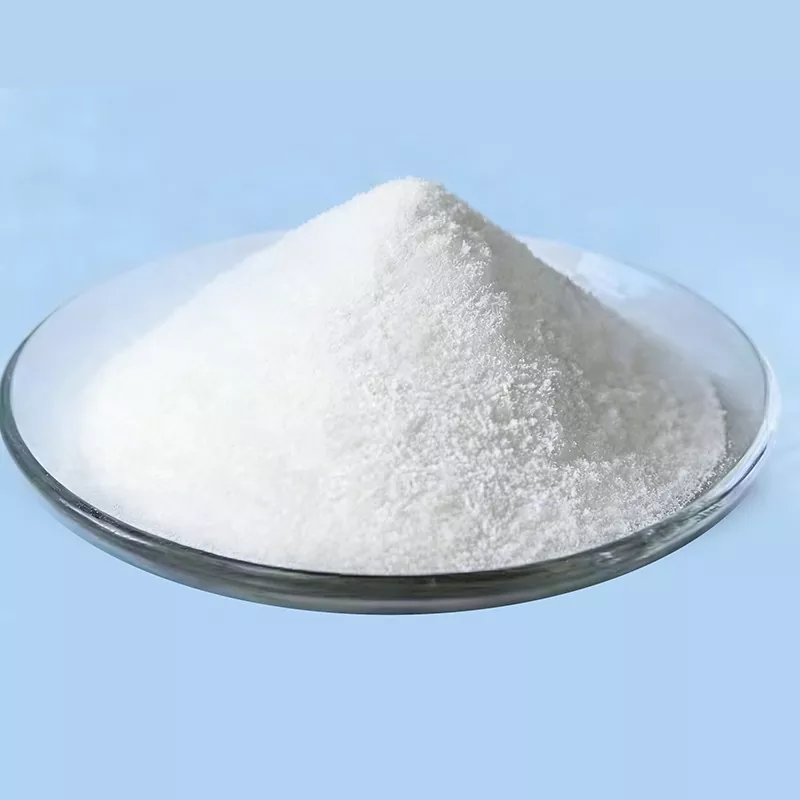
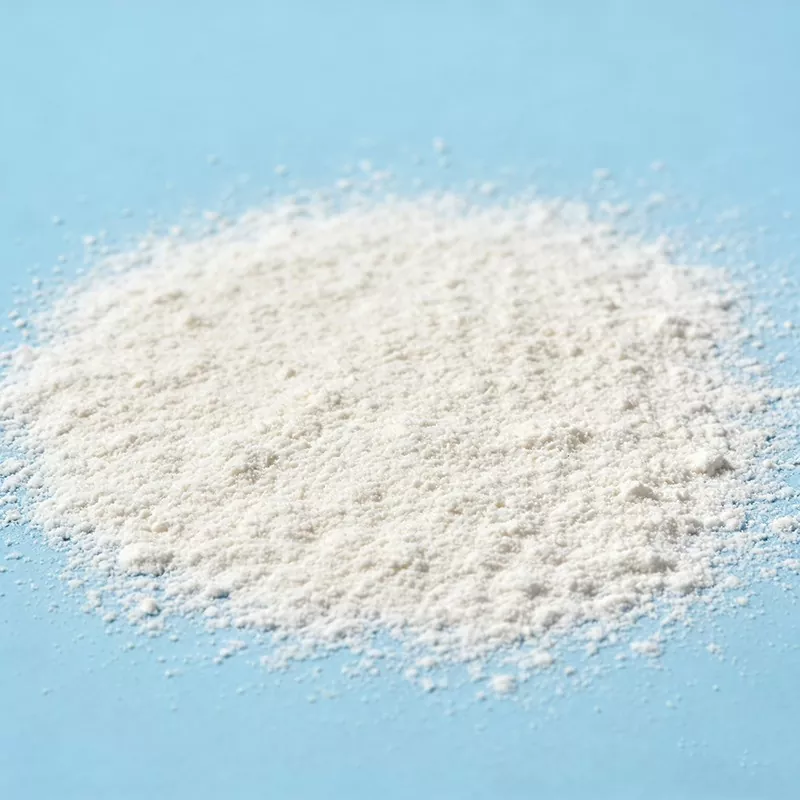
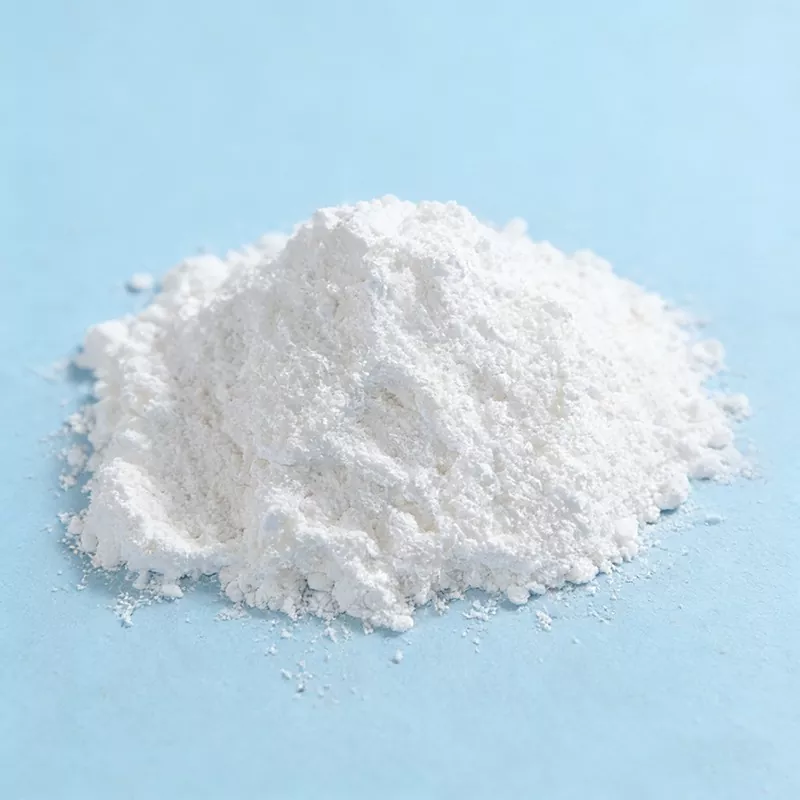
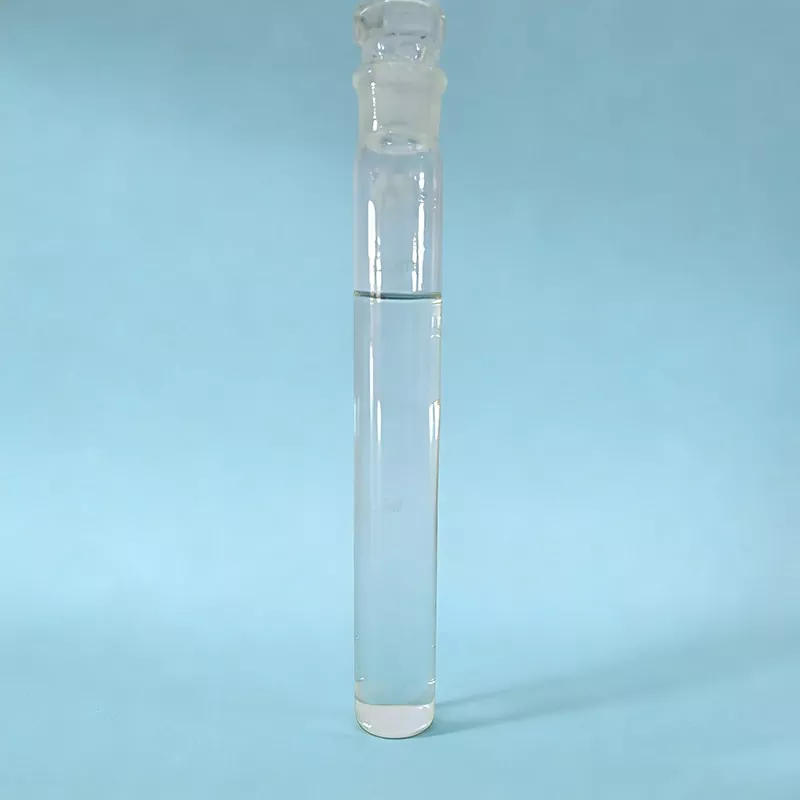
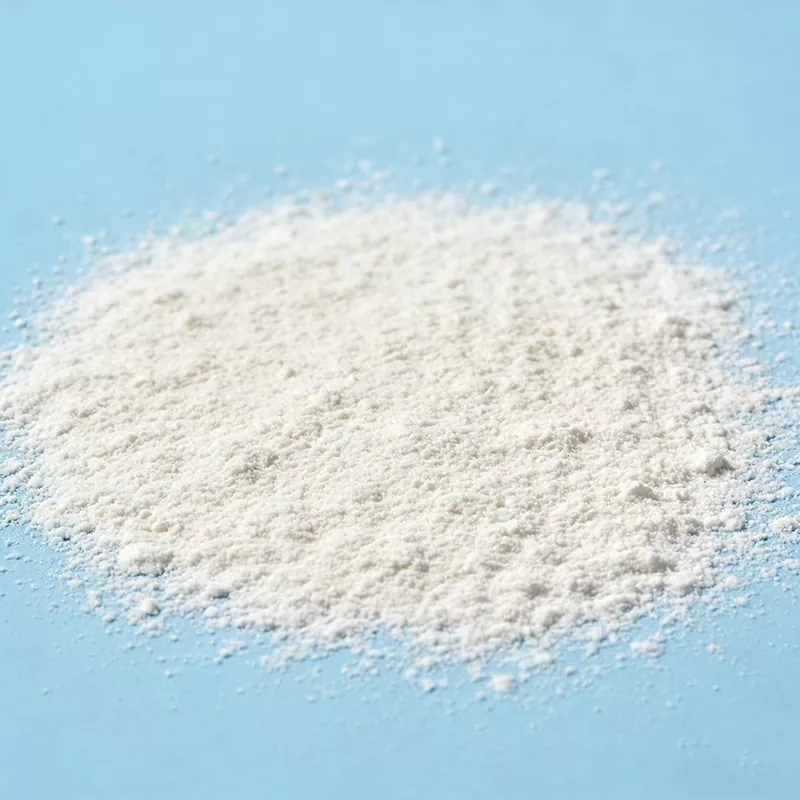
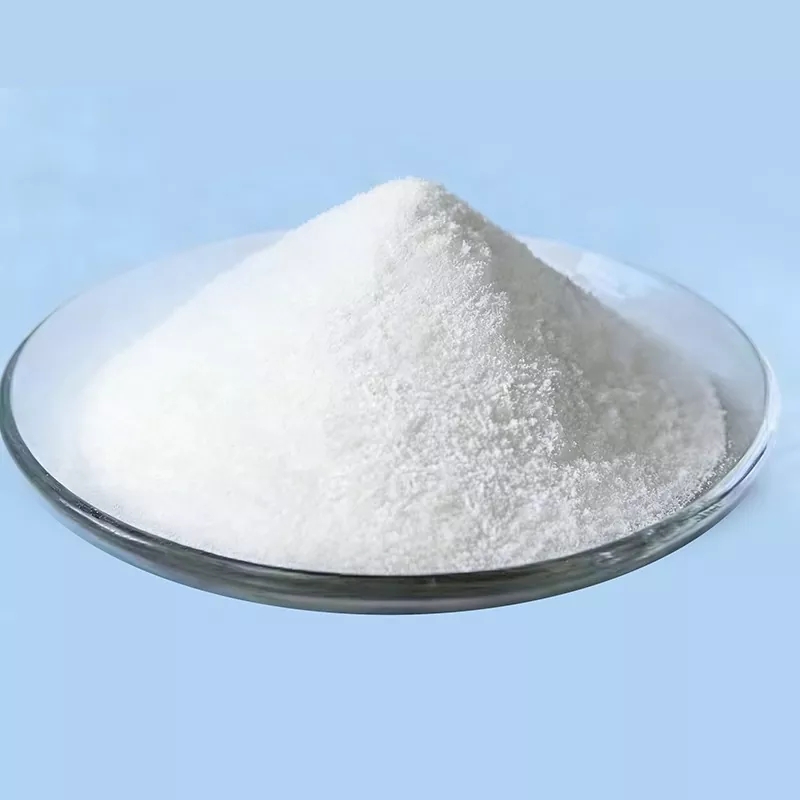
There are three mature preparation routes for Potassium tert-Butoxide: direct synthesis of metallic potassium, which has excellent product purity but high safety risks and costs, and is only used in small quantities in the laboratory; The potassium hydroxide azeotropic dehydration method is currently the mainstream of industrial production due to its easy availability of raw materials and ease of large-scale production; The alcohol exchange method can prepare low impurity and high-purity products, mainly targeting the high-end pharmaceutical market. New processes such as membrane dehydration and electrolysis are still in the research and development and pilot stage, and have not yet been widely mass-produced.
1. Direct synthesis method of potassium metal
In an inert gas environment that isolates water vapor from air, potassium metal is introduced into an anhydrous tert butanol system for reaction. After the reaction is complete, excess tert butanol is removed by vacuum, and the finished product is obtained by vacuum drying.
Advantages: High purity of the finished product, low impurity potassium hydroxide content;
Disadvantages: Potassium metal is extremely dangerous, has high procurement costs, releases hydrogen gas during the reaction process, has strict explosion-proof requirements, is basically eliminated in large-scale industrial production, and is mostly used for laboratory small-scale preparation.
The mixture of tert butanol and potassium hydroxide undergoes a reversible reaction, relying on solvents such as toluene and cyclohexane as water carrying agents, and continuously separating the generated water in the azeotropic separation system to promote the continuous progress of the reaction. After completing the reaction, solid potassium tert butoxide was obtained by concentration and drying under nitrogen protection.
Advantages: Raw materials are easy to procure, production safety risks are lower, suitable for large-scale continuous production, and the vast majority of industrial grade products on the market adopt this route;
Disadvantages: Due to the limitation of reaction equilibrium, a small amount of free potassium hydroxide may remain in the product, requiring deep distillation and vacuum drying processes to reduce impurity content and meet the requirements of pharmaceutical raw material use, resulting in high production energy consumption.
First, prepare potassium methoxide, then mix potassium methoxide with tert butanol for alcohol exchange reaction. Continuously separate methanol with lower boiling point through distillation to promote forward reaction and ultimately obtain high-purity potassium tert butoxide.
Advantages: The finished product contains almost no free potassium hydroxide, with a purity close to that of metallic potassium technology, suitable for high-end pharmaceutical intermediate synthesis scenarios;
Disadvantages: The process flow is longer, requiring multi-stage distillation equipment, and the overall production cost is higher than that of the potassium hydroxide azeotropic route. It has not yet been fully popularized on a large scale.
4. Laboratory and pilot new processes (not yet commercially available on a large scale)
Permeation vaporization membrane dehydration process: using molecular sieve membrane to directly separate the water generated by the reaction, replacing traditional organic solvent water carrying agents, which is more environmentally friendly. The disadvantage is that the initial investment cost of the equipment is relatively high;
Electrolytic synthesis process: The product is prepared by membrane electrolysis using tert butanol and potassium salt electrolyte, with few impurities but high energy consumption. Currently, it is still in the technical validation stage.
We use cookies to offer you a better browsing experience, analyze site traffic and personalize content. By using this site, you agree to our use of cookies.Privacy Policy