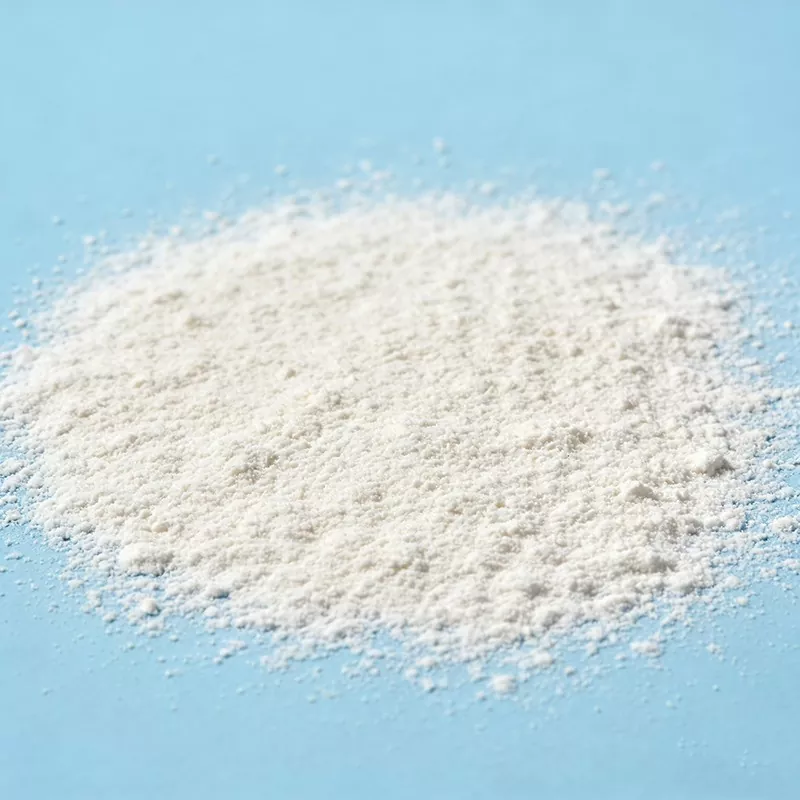
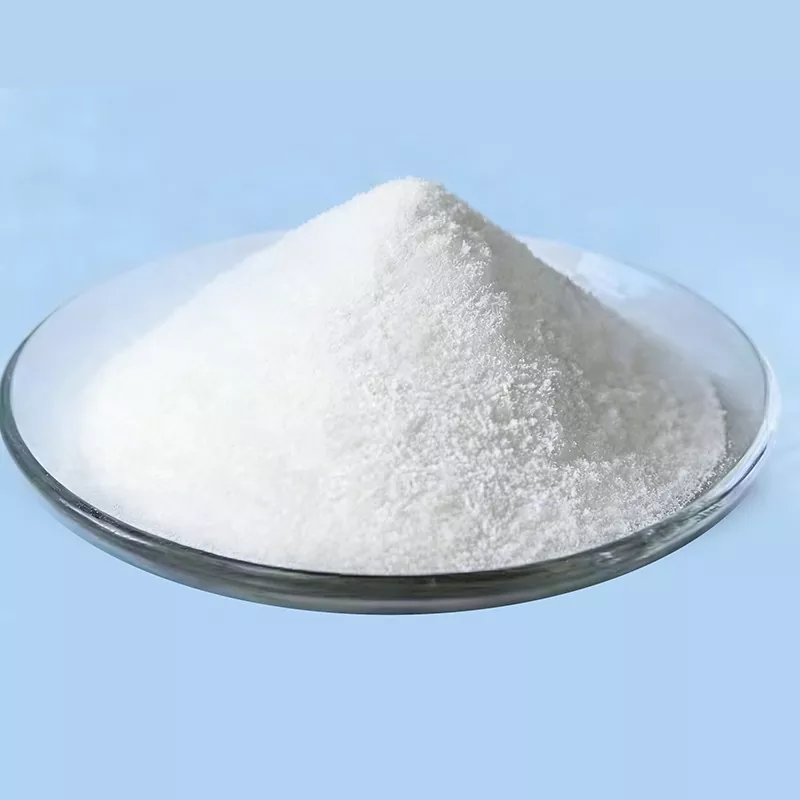
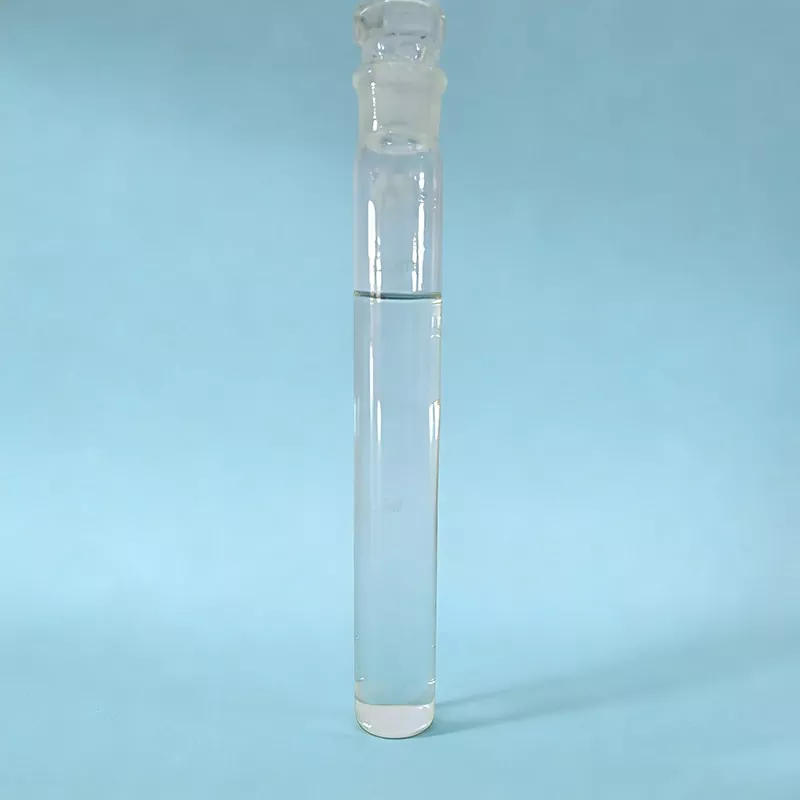
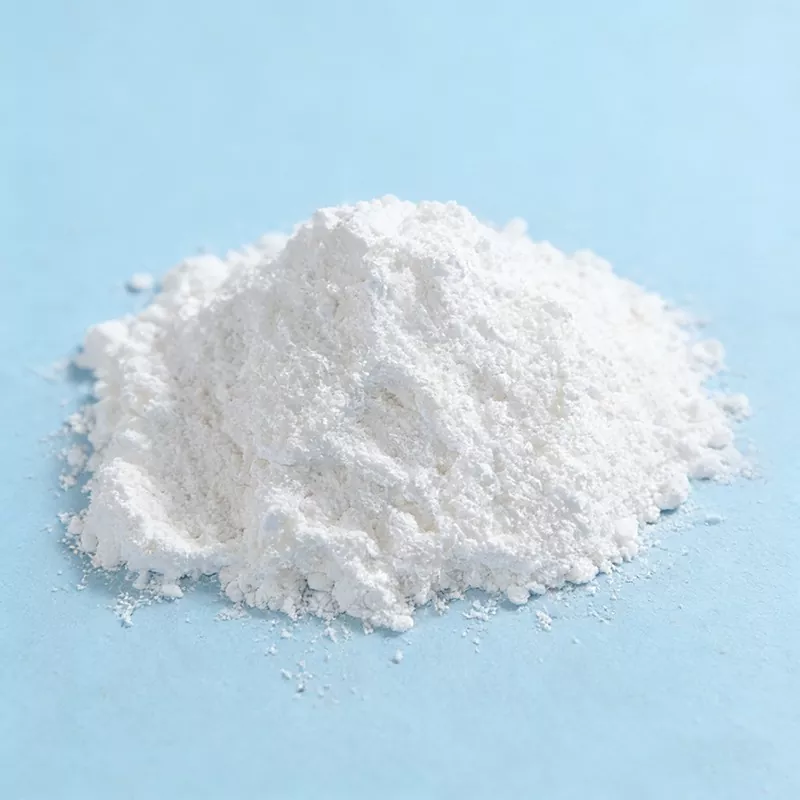
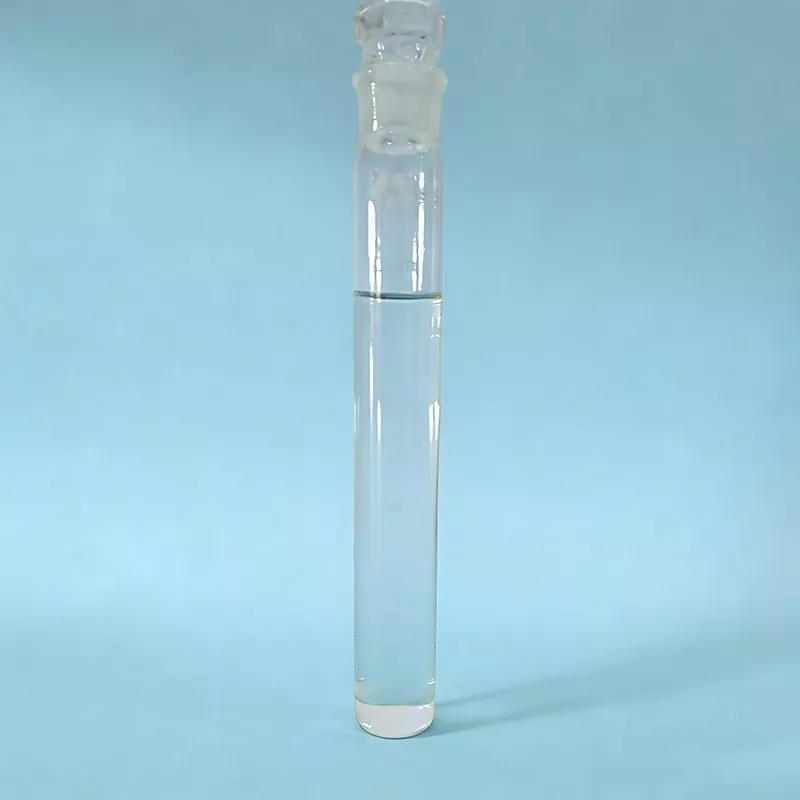
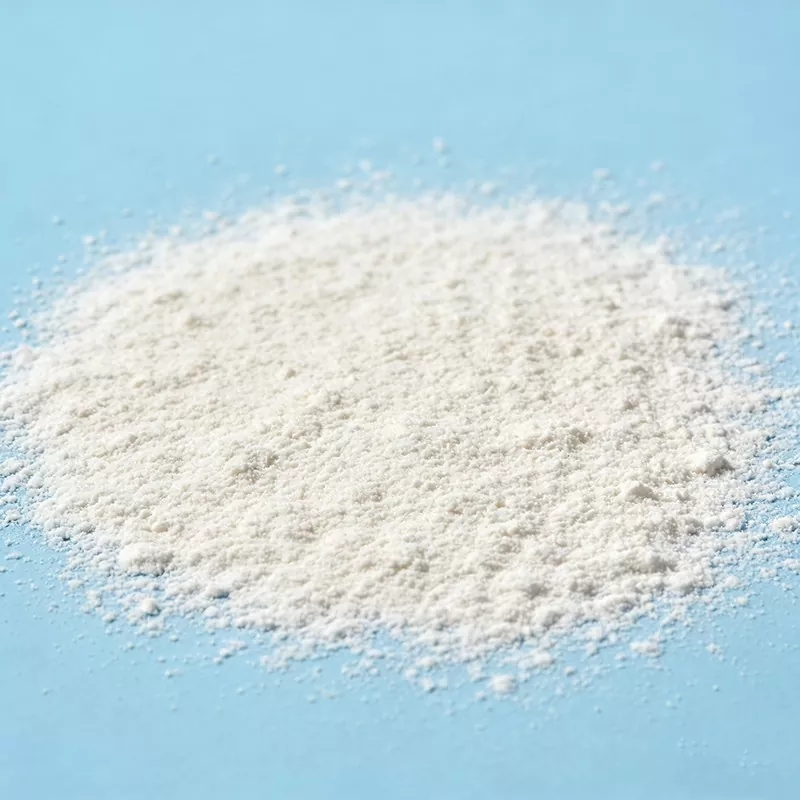
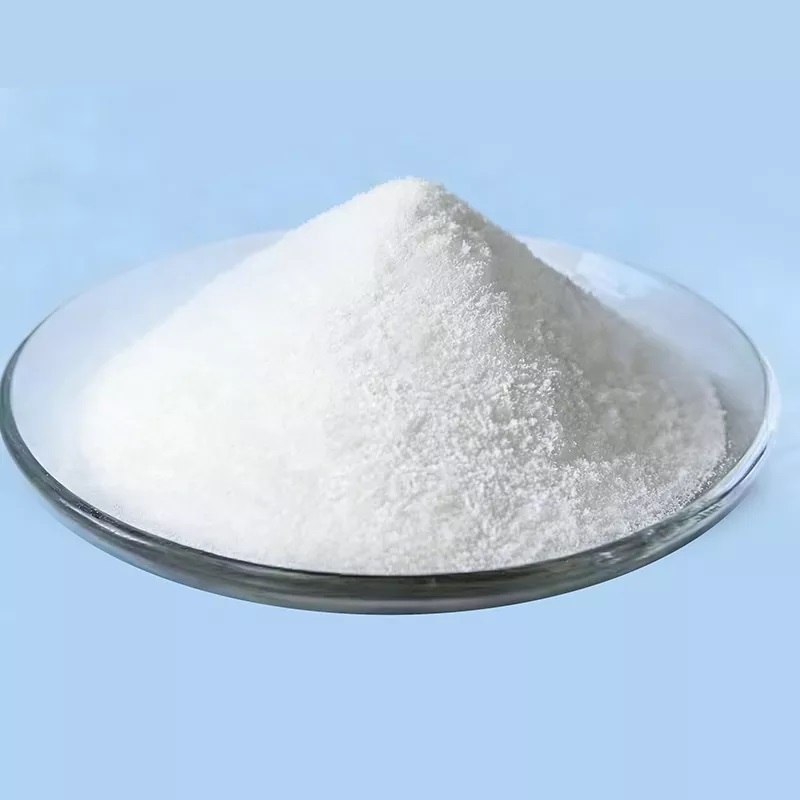
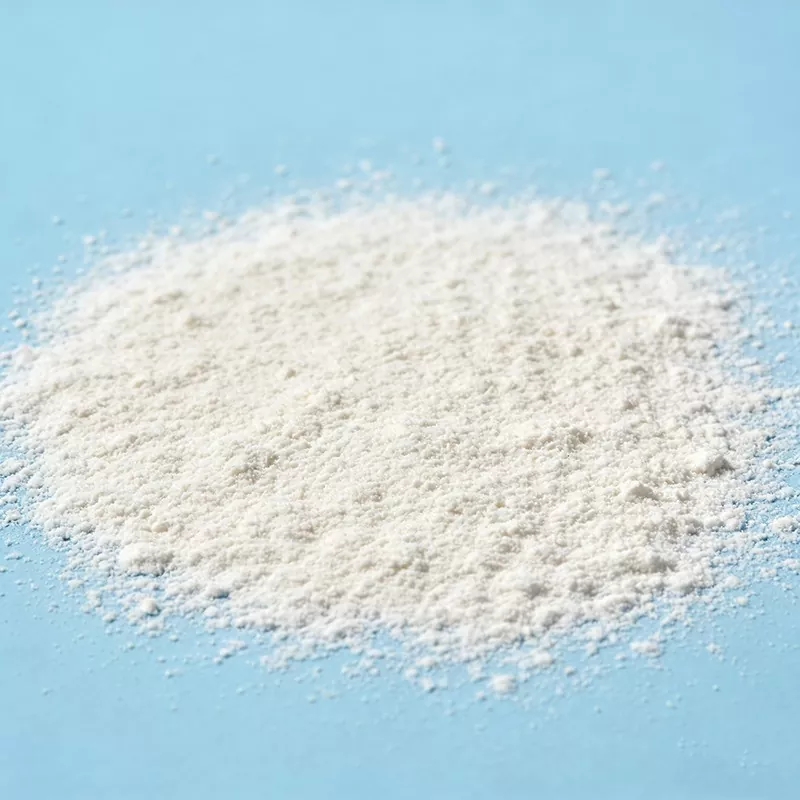
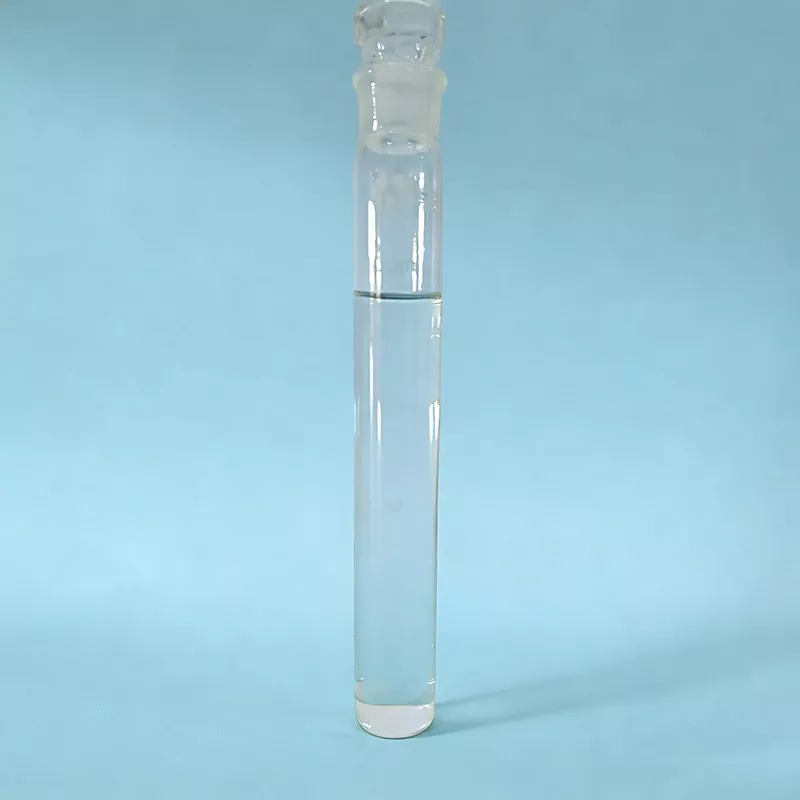
Phosphorous Acid is a strong ternary acid, pure as colorless crystals, commonly in the form of an 85% aqueous solution; The central phosphorus element is pentavalent and in its highest oxidation state, so it is almost non oxidizing, which is its core difference from nitric acid.
1. Acidic characteristics
Phosphoric acid is a strong ternary acid that dissociates hydrogen ions in three steps in aqueous solution, with decreasing acidity. Based on this characteristic of stepwise dissociation, it can react with alkali to generate three different types of phosphates:
Dihydrogen phosphate: Most of them are soluble in water, and their aqueous solutions are weakly acidic;
Hydrogen phosphate and orthophosphate: Except for sodium, potassium, and ammonium salts, most categories are insoluble in water.
2. Thermal decomposition and dehydration condensation characteristics
Phosphoric acid has good thermal stability and does not generate simple oxides when heated. Instead, it gradually dehydrates and condenses to form polyphosphoric acid. When the temperature reaches about 200 ℃, two molecules of phosphoric acid remove one molecule of water, producing pyrophosphate; Continuing heating will further generate triphosphate and tetraphosphoric acid, ultimately forming glassy polyphosphate. This characteristic is significantly different from the tendency of nitric acid to decompose into nitrogen oxides when heated.
3. Redox properties
Due to the fact that phosphorus is already in the highest oxidation state of pentavalent, phosphoric acid at room temperature has almost no oxidizing properties and cannot oxidize common metals such as copper and iron, nor is it easily oxidized by general oxidants. Only in a concentrated heat state can it react with some metals to release hydrogen gas; It can only be reduced to phosphides when in contact with highly reducing substances.
4. Reactions with metals and metal oxides
Can react with active metals and release hydrogen gas;
Can react with metal oxides and hydroxides to generate corresponding phosphates;
Cold concentrated phosphoric acid forms a phosphate protective film on the surface of metals such as iron and aluminum, which has a certain corrosion inhibition effect; But under heating conditions, it will continue to corrode the metal surface. The phosphating treatment of steel in industry utilizes this reaction characteristic to generate a phosphating film on the surface of steel, which serves as a rust proof base.
5. Coordination and complexation ability
Phosphoric acid and its formed polyphosphate ions have strong chelating ability and can chelate metal ions such as calcium, magnesium, and iron. Therefore, they are often used as the core components of industrial cleaning agents and scale inhibitors to remove or inhibit scale formation.
6. Reaction law with alkali
When phosphoric acid reacts with alkali, different types of phosphates are generated depending on the amount of alkali used: when the amount of alkali used is small, dihydrogen phosphate is generated; When the alkaline dosage is moderate, hydrogen phosphate is generated; When the amount of alkali is sufficient, orthophosphate is generated.
7. Corrosivity
85% of industrial phosphoric acid is corrosive and can cause damage to the skin; At the same time, it has a corrosive effect on carbon steel, so plastic containers or 316L stainless steel containers are usually used for industrial storage.
We use cookies to offer you a better browsing experience, analyze site traffic and personalize content. By using this site, you agree to our use of cookies.Privacy Policy