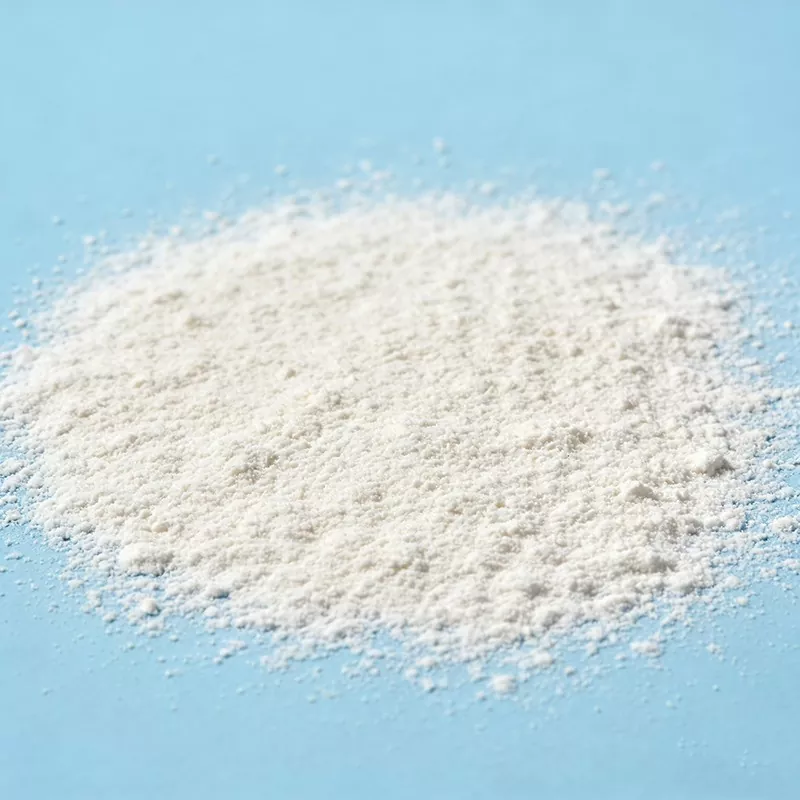
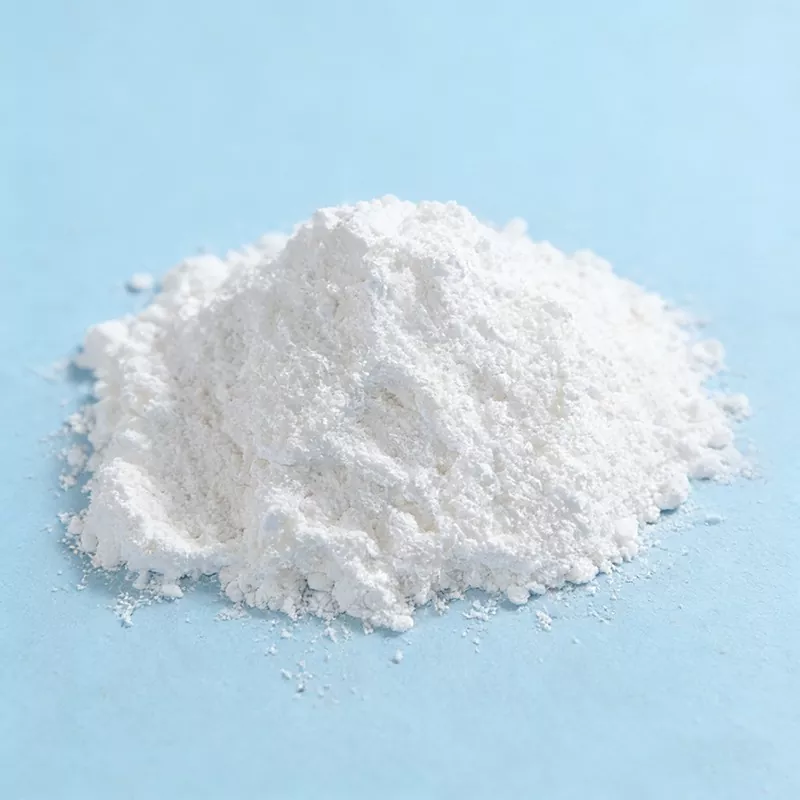
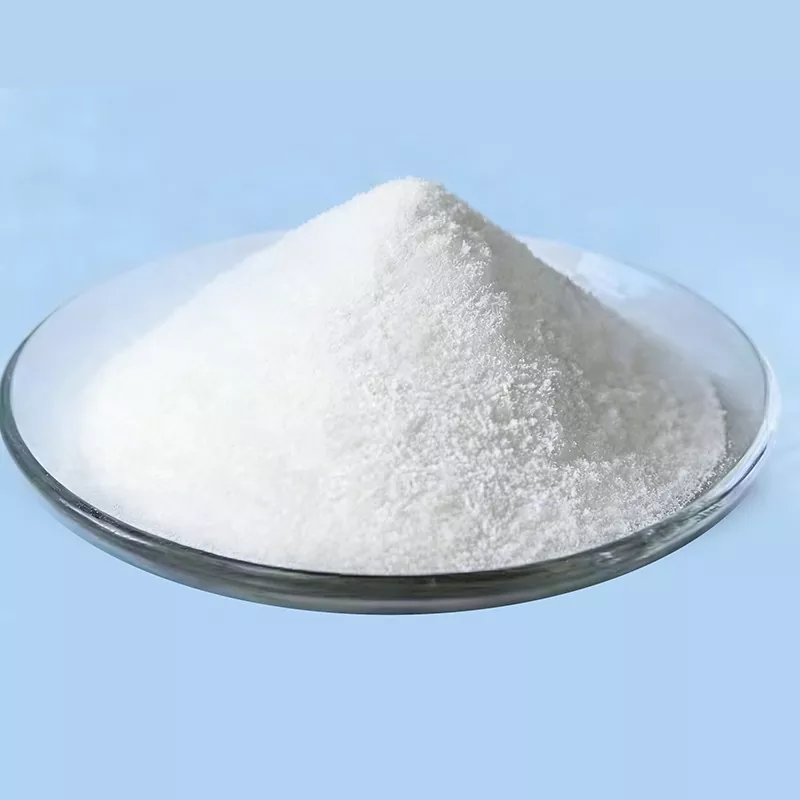
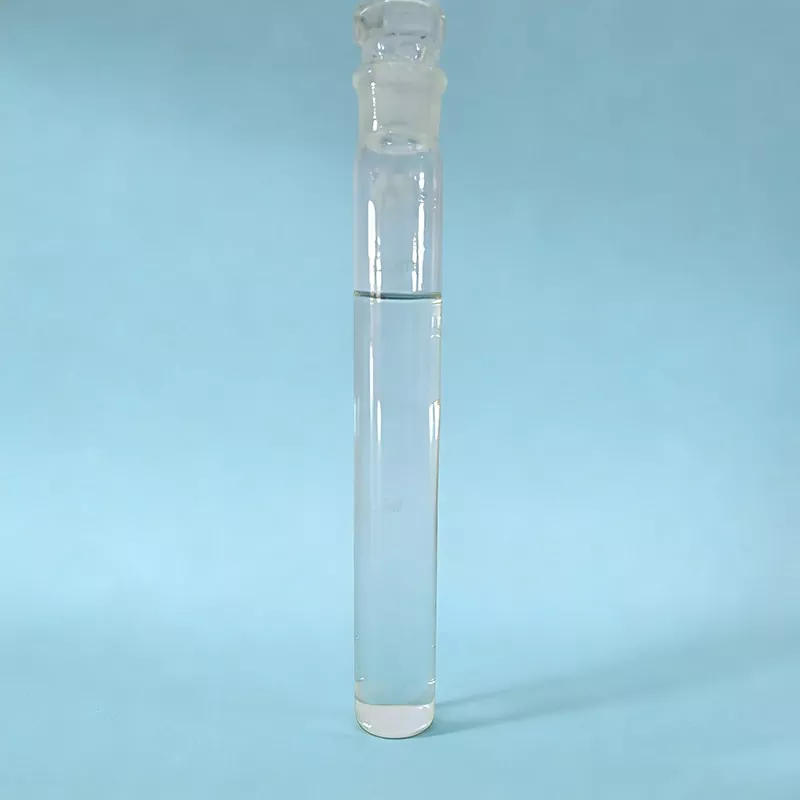
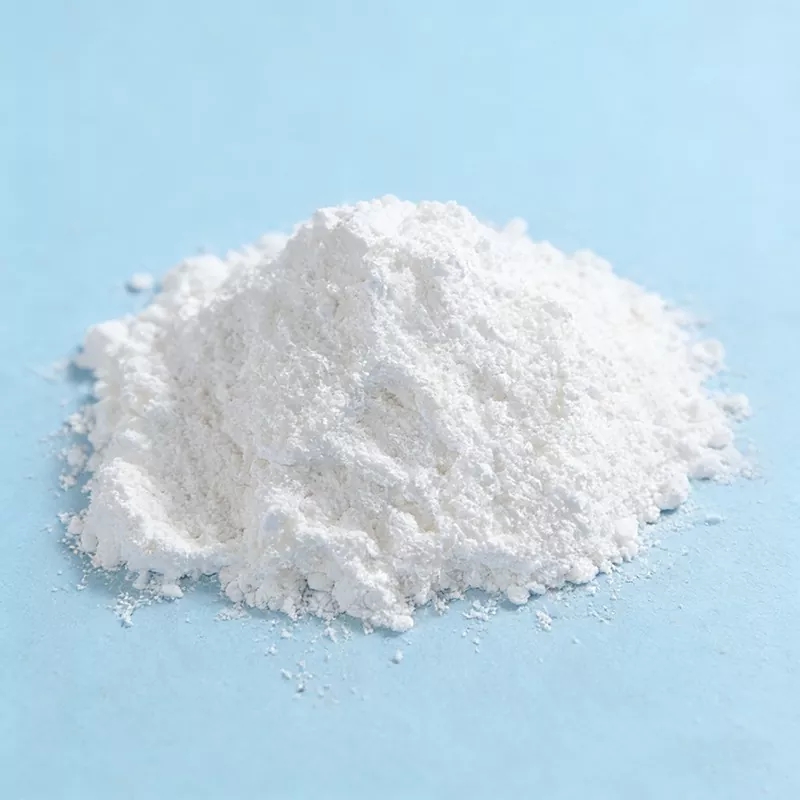
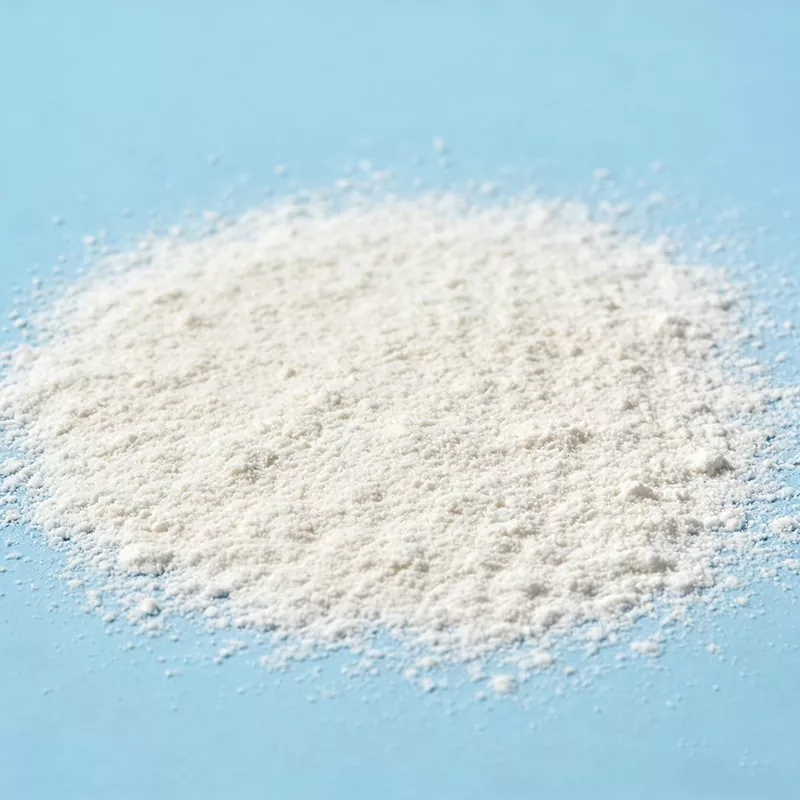
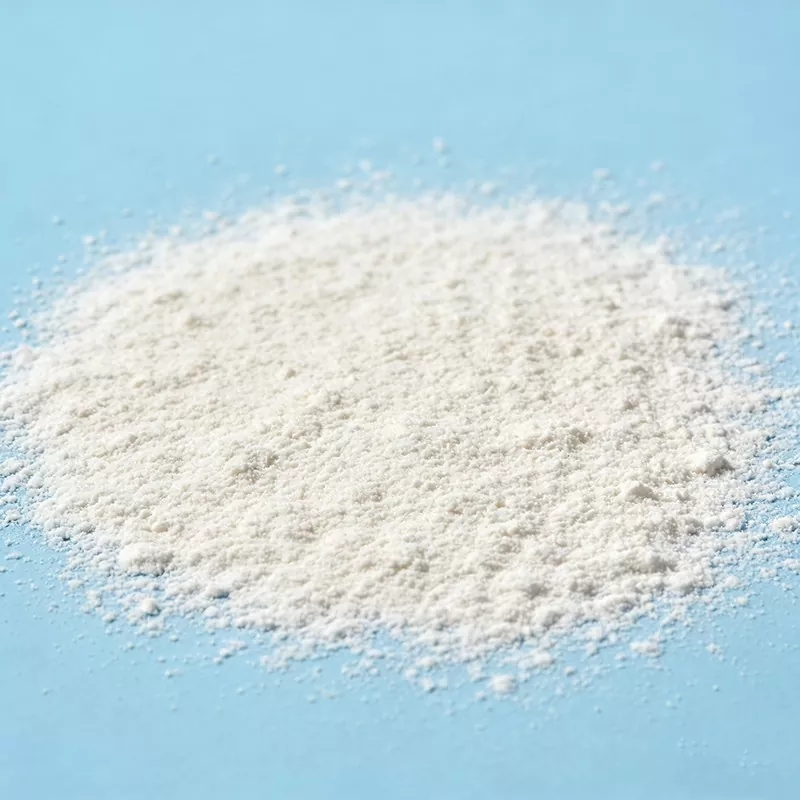
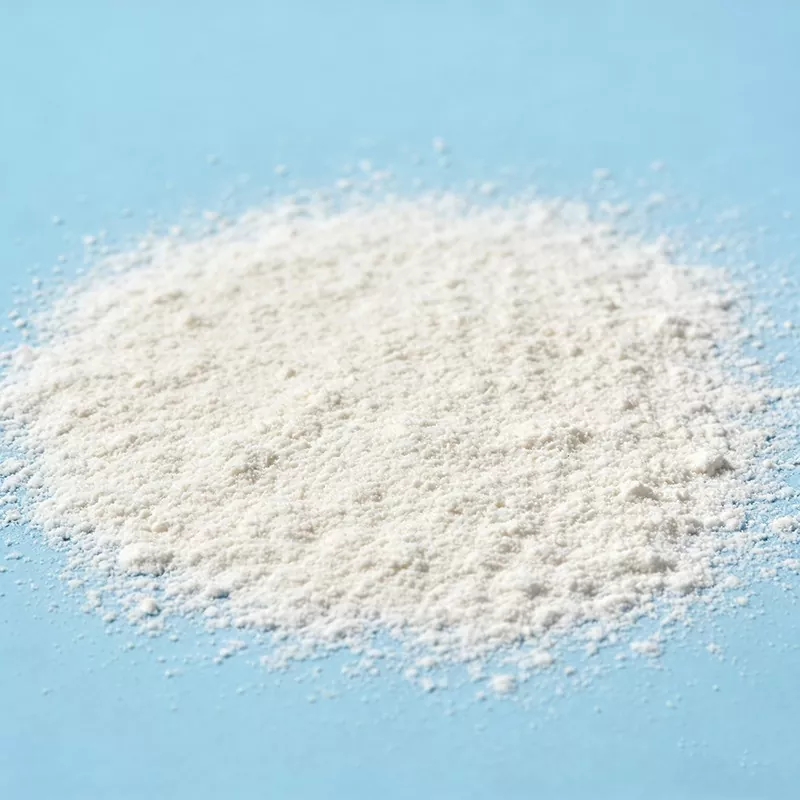
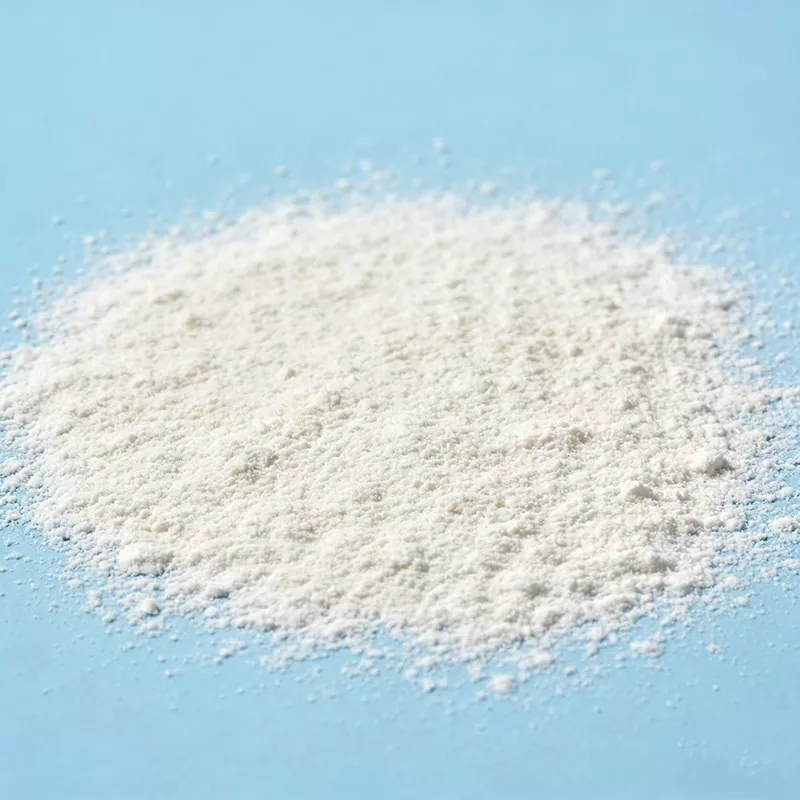
Nitroguanidine is a high-energy chemical compound widely used in military propellants, industrial explosives, and pyrotechnic applications, valued for its low sensitivity, high thermal stability, and clean combustion properties. However, as a hazardous explosive material, it poses significant risks to human health, property safety, and the environment if mishandled. Strict adherence to safety protocols is essential throughout its handling, use, storage, and transportation. This article outlines the critical precautions to ensure the safe utilization of nitroguanidine.
1. Pre-Operation Preparation and Personnel Training
Only professionally trained personnel are permitted to handle and use nitroguanidine. All operators must complete systematic safety training, including mastering its physical and chemical properties, hazard characteristics, operational procedures, personal protective equipment (PPE) usage, and emergency response measures. They must fully understand the risks of explosion, toxicity, and irritation associated with nitroguanidine and obtain relevant operation certificates before starting work. Before each operation, operators should conduct a comprehensive check of the work area, equipment, and protective gear to eliminate potential safety hazards. Any personnel with fatigue, illness, or under the influence of alcohol or drugs are strictly prohibited from engaging in nitroguanidine-related operations.
2. Strict Operational Environment Controls
The operational site of nitroguanidine must meet rigorous safety standards. It should be a well-ventilated, cool, and dry space with effective local exhaust and comprehensive ventilation systems to prevent the accumulation of dust. The workplace must be strictly isolated from ignition sources, including open flames, hot surfaces, sparks, static electricity, and friction. Smoking, fire use, and any potential heat-generating behaviors are strictly forbidden in the area. All electrical equipment, lighting, and ventilation facilities in the operation zone must be explosion-proof to avoid sparks triggered by electrical faults. Additionally, the operation area should be equipped with anti-static floors, and all equipment and containers must be reliably grounded to eliminate static electricity buildup. The temperature and humidity of the workplace should be controlled within a safe range, avoiding high temperatures and direct sunlight.
3. Personal Protective Equipment (PPE) Compliance
Operators must wear complete and qualified PPE during all operations to prevent contact with nitroguanidine through inhalation, skin absorption, or eye exposure. For respiratory protection, dust-proof respirators or self-contained breathing apparatus should be worn in environments with high dust concentrations to avoid inhaling nitroguanidine dust. For eye protection, chemical safety goggles or face shields are required to prevent dust from splashing into the eyes. Skin protection includes wearing tight-sleeved anti-static work clothes, long rubber boots, and chemical-resistant rubber gloves to avoid direct skin contact. After completing the operation, operators must remove contaminated clothing immediately, wash their hands, face, and other exposed skin thoroughly with soap and water, and take a shower if necessary. Contaminated clothing must be cleaned and disinfected before reuse.
4. Safe Operating Procedures
During the use of nitroguanidine, rough handling that may generate friction, impact, vibration, or extrusion is strictly prohibited. Operations such as grinding, striking, and dragging containers are forbidden to prevent detonation caused by mechanical stimulation. When transferring, mixing, or processing nitroguanidine, use specialized non-sparking tools and follow standardized operating procedures to avoid dust generation. It is crucial to avoid contact between nitroguanidine and incompatible substances, such as strong oxidizers, alkalis, metal powders, and reducing agents, as these can trigger violent chemical reactions leading to combustion or explosion. The dosage of nitroguanidine should be strictly controlled in accordance with process requirements, and overstocking or unauthorized mixing with other chemicals is not allowed. After operation, the remaining nitroguanidine should be properly stored, and the work site should be cleaned promptly to remove residual dust.
5. Safe Storage and Transportation
Nitroguanidine storage must comply with hazardous chemical storage regulations. It should be stored in a special explosion-proof warehouse, which is cool, dry, well-ventilated, and away from heat sources, ignition points, and direct sunlight. The warehouse should be equipped with fire-fighting, lightning protection, and anti-static facilities, and clearly marked with warning signs such as "Explosive" and "No Open Flames". Nitroguanidine should be stored in sealed, corrosion-resistant containers, and the containers should be placed neatly to avoid collapse or collision. It is strictly forbidden to store it with incompatible chemicals. For long-term storage, nitroguanidine is usually wetted with no less than 20% water to reduce its sensitivity, and the humidity of the product should be checked regularly to prevent drying out.
During transportation, use special hazardous chemical transport vehicles with complete safety devices, and comply with national dangerous goods transportation regulations. The transport vehicles must be grounded to eliminate static electricity, and the containers should be fixed firmly to avoid vibration and collision. During loading and unloading, handle with care, and prohibit rough operations. Transport routes should avoid densely populated areas, and transportation during high-temperature periods or thunderstorm weather should be avoided as much as possible.
6. Emergency Response for Accidents
Despite strict precautions, accidents such as leakage, fire, or explosion may still occur, so complete emergency preparedness is essential. In case of a small amount of nitroguanidine leakage, immediately evacuate personnel from the contaminated area, isolate the site, eliminate all ignition sources, and clean the leakage with wet methods (such as wet sweeping) to avoid dust diffusion. Collect the leaked material in a sealed container and hand it over to a professional institution for disposal; do not discharge it into sewers or the environment.
In the event of a fire, do not attempt to extinguish the fire directly if the fire has not reached the nitroguanidine pile. Evacuate all personnel to a safe area immediately and alert the fire department. For small fires involving wetted nitroguanidine, a large amount of water can be used for cooling and extinguishing; dry sand, dry fire extinguishing agents, or alcohol-resistant foam can also be used. Firefighters must wear self-contained breathing apparatus and fire-resistant protective clothing to operate in a safe isolation area.
In case of human contact accidents: if inhaled, move the patient to fresh air immediately, keep the airway unobstructed, and seek medical attention if breathing is difficult; if in contact with skin, wash the skin with plenty of soap and water for at least 15 minutes; if splashed into eyes, rinse the eyes with running water or normal saline for at least 15 minutes and seek medical attention immediately; if ingested, do not induce vomiting, rinse the mouth with water, and seek emergency medical treatment immediately.
7. Environmental Protection and Waste Disposal
Nitroguanidine is harmful to the environment, so measures must be taken to prevent its leakage into the environment during use. Waste nitroguanidine and contaminated materials must not be discarded randomly or discharged into water, soil, or sewers. They should be collected in sealed containers and disposed of by professional hazardous waste disposal institutions in accordance with relevant environmental regulations. During the cleaning of the work site, avoid using a large amount of water to flush directly to prevent the wastewater from polluting the water source. All operations should minimize the impact on the surrounding ecological environment.
Conclusion
Nitroguanidine plays an important role in industrial and military fields, but its safe use is a top priority. All relevant units and personnel must attach great importance to safety precautions, strictly abide by operating procedures and safety regulations, strengthen on-site management, and improve emergency response capabilities. Only by implementing every safety measure can we effectively prevent the occurrence of safety accidents, protect the life and health of operators, and avoid environmental pollution and property losses.
We use cookies to offer you a better browsing experience, analyze site traffic and personalize content. By using this site, you agree to our use of cookies.Privacy Policy