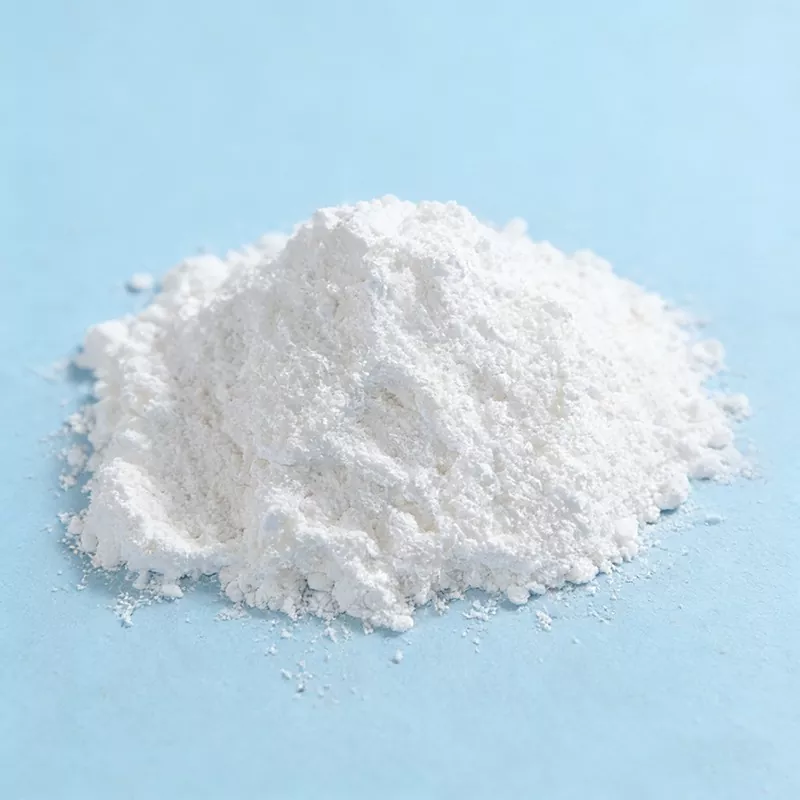
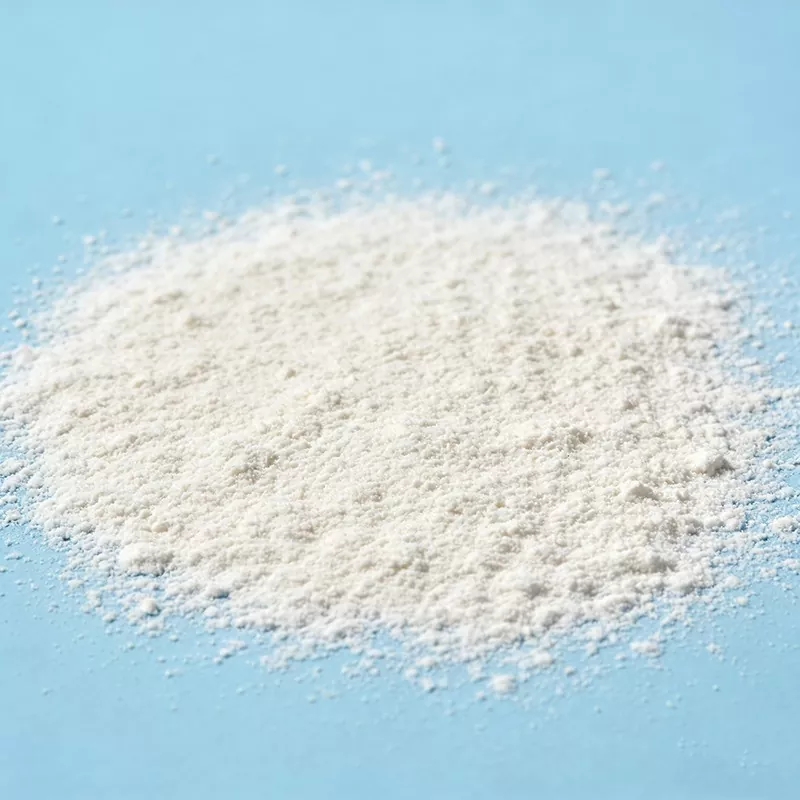
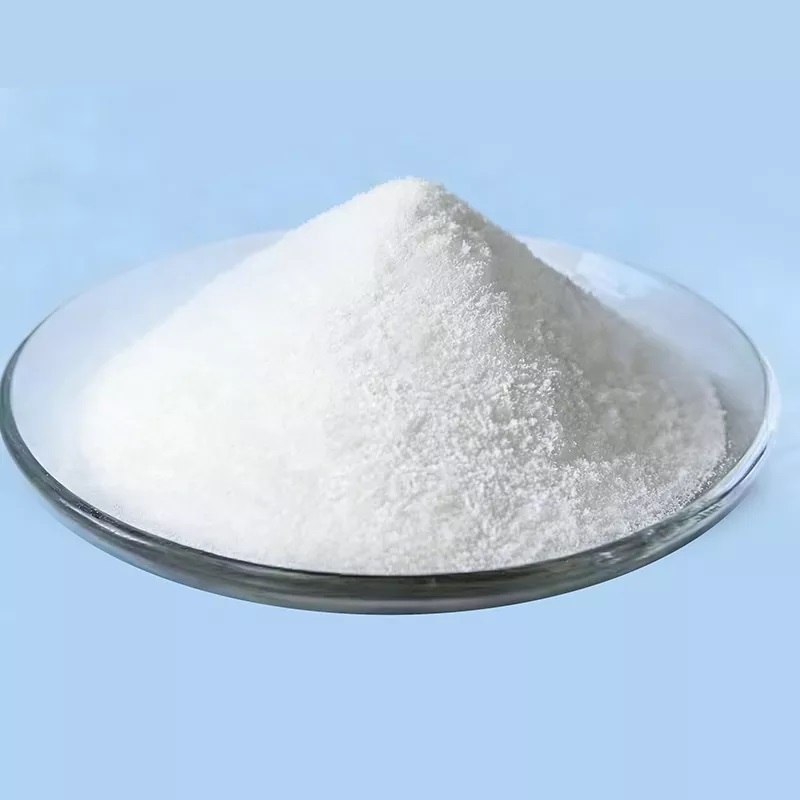
Potassium tert-Butoxide is a highly active and hygroscopic organic strong base. When exposed to air, it will continue to absorb moisture, hydrolyze, carbonize and deteriorate, gradually losing its activity and cannot be stored for a long time.
After coming into contact with air moisture, potassium tert butoxide quickly absorbs water vapor and undergoes hydrolysis reaction, decomposing into tert butanol and potassium hydroxide.
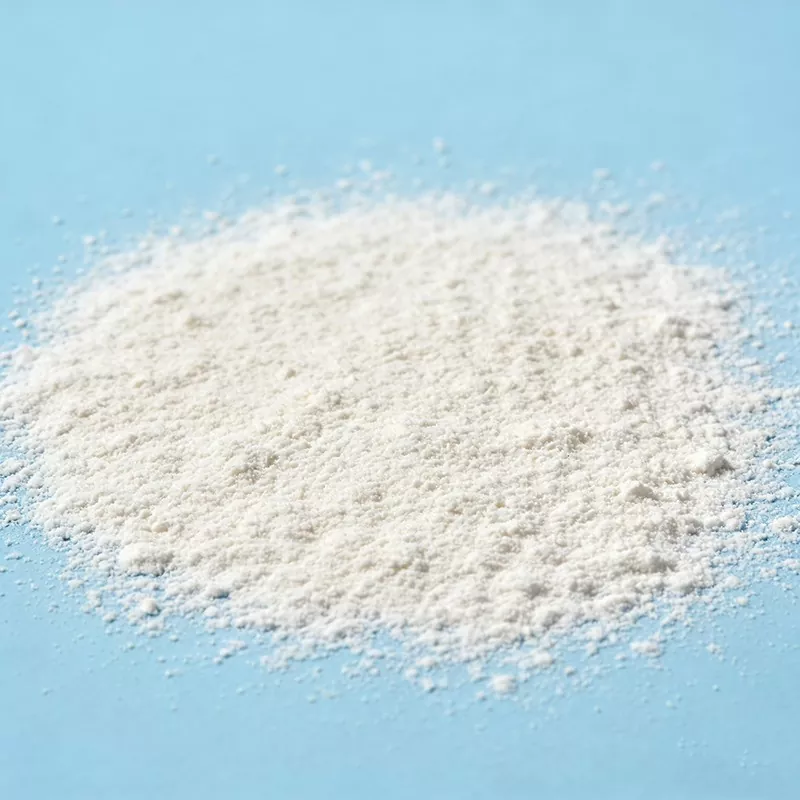
Visual phenomenon: The powder quickly becomes damp, sticky, clumped, and produces a slight solvent odor.
2. Air carbonation failure (second step deep deterioration)
The strong alkaline substance generated by hydrolysis continues to absorb carbon dioxide from the air, further reacting to form inert impurities such as potassium carbonate.
Final result: The active strong base completely loses its effectiveness and becomes a non reactive carbonate mixture.
The entire process of appearance change
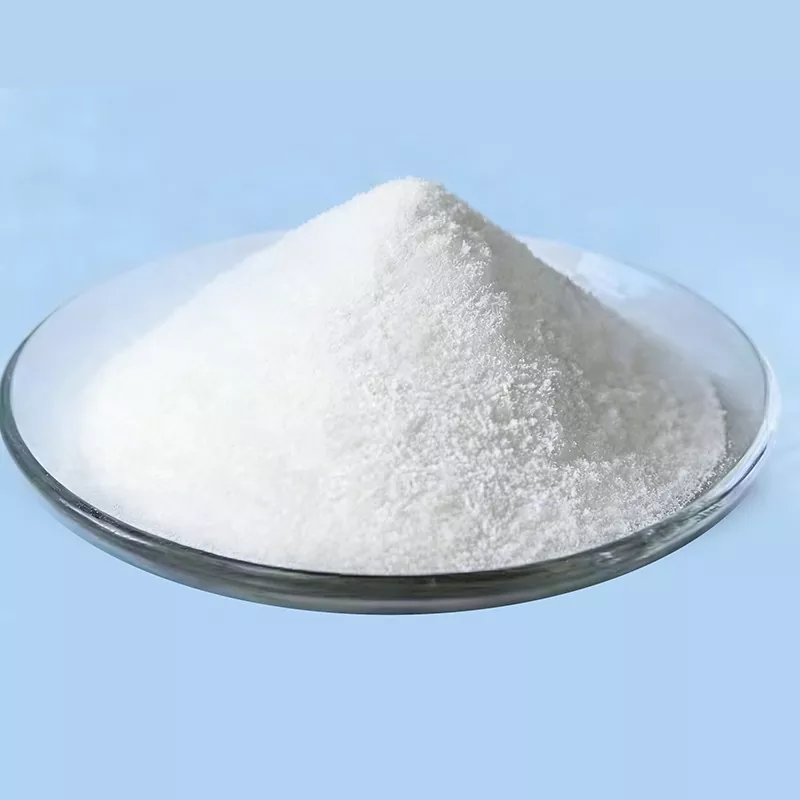
1. Pure white loose powder → absorbs moisture and becomes sticky;
2. Gradually clump, harden, and harden;
3. Long term exposure leads to complete formation of hard lumps and slight yellowing in color;
4. The odor of tert butanol gradually fades, indicating that the activity is basically exhausted.
Hazards to production processes
1. Significant decrease in alkaline activity: Insufficient feeding, reduced reaction conversion rate, and unstable yield;
2. Introducing a large amount of ineffective impurities: Carbonate precipitation affects the clarity of the system and triggers side reactions;
3. Excessive water content in the system: Inducing hydrolysis of raw materials and loss of process control;
4. Uneven feeding of agglomerated materials: The exothermic reaction fluctuates between high and low, resulting in poor production stability.
We use cookies to offer you a better browsing experience, analyze site traffic and personalize content. By using this site, you agree to our use of cookies.Privacy Policy