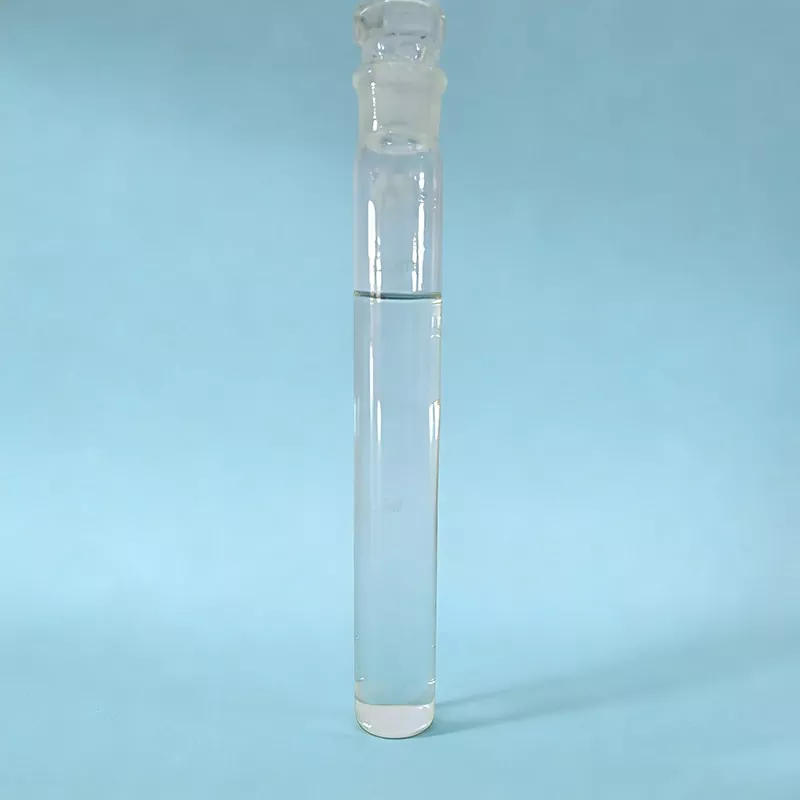
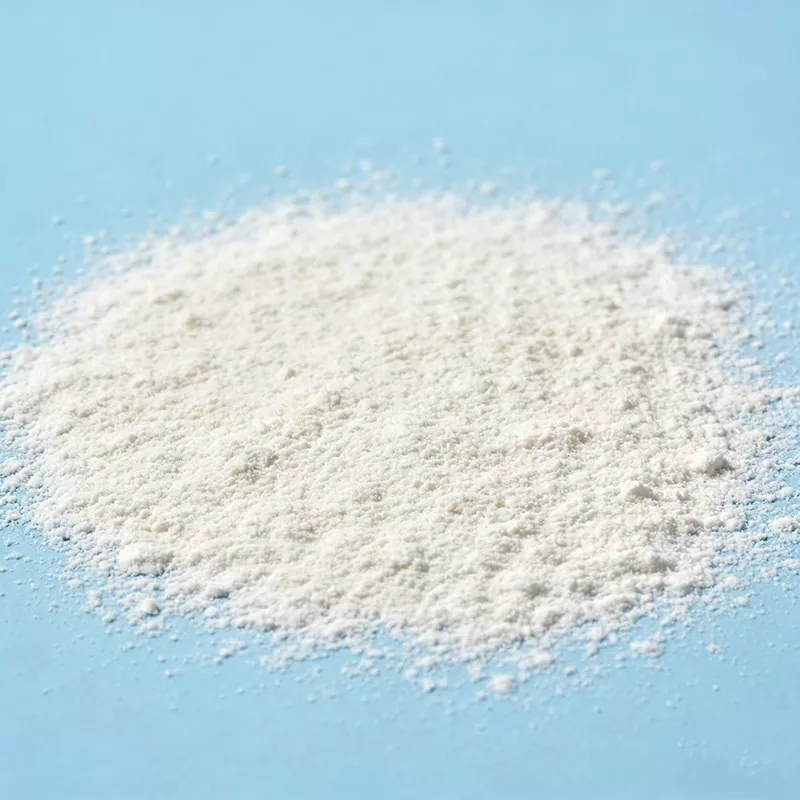
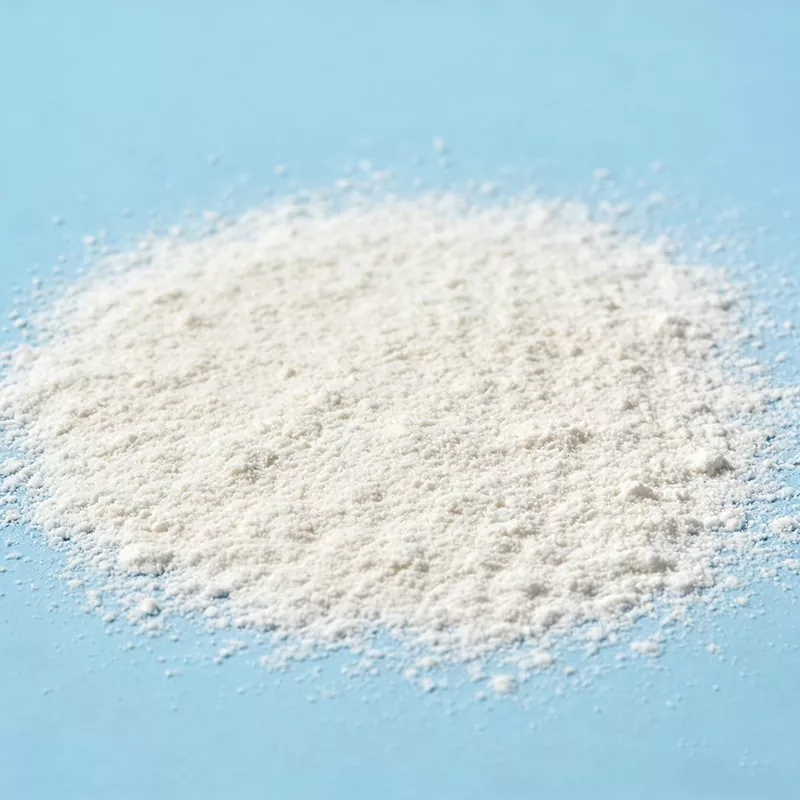
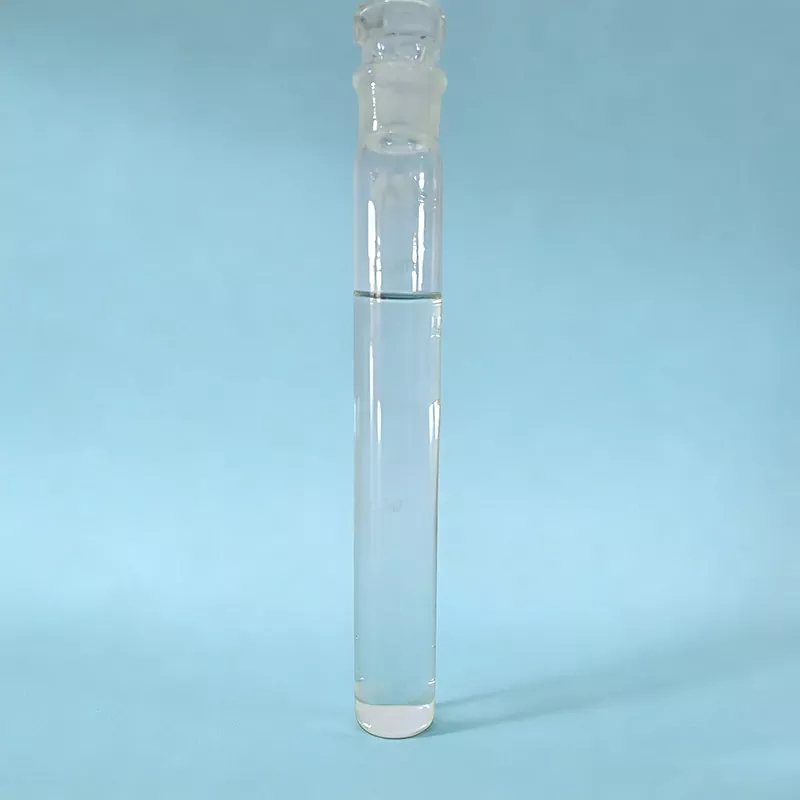
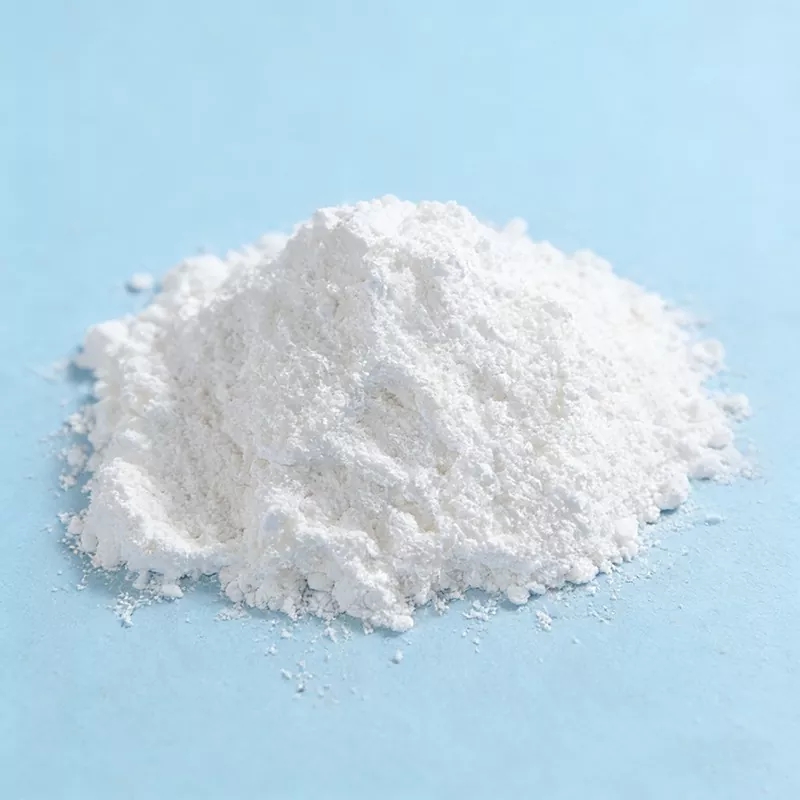
Potassium tert-Butoxide is a highly advantageous high steric hindrance base in organic synthesis and fine chemical engineering. Its core advantages are concentrated in five aspects: alkalinity, selectivity, solubility, reactivity, and universality of application, making it the preferred reagent for various reactions.
1、 Core chemical advantages
Strong alkalinity, strong deprotonation ability
The pKa of conjugated acid tert butanol is about 19 (in DMSO), and its alkalinity is much stronger than NaOH, KOH, sodium methoxide, and sodium ethoxide. It can efficiently remove weak acidic C-H bonds (such as carbonyl α - H, terminal alkyne hydrogen, and active methylene), generate stable carbon negative ions, and provide key active intermediates for subsequent reactions.
High resistance, low nucleophilicity, excellent selectivity
The large steric hindrance of tert butyl makes its nucleophilicity extremely low. When it participates in the reaction as a base, almost no SN2 nucleophilic substitution side reaction occurs, and its specificity promotes reactions such as E2 elimination and deprotonation.
Elimination reaction: When halogenated hydrocarbons are eliminated, Hofmann alkenes (alkenes with few substituents and low steric hindrance) are preferentially generated, and the product structure is precisely controlled.
Deprotonation: selective removal of acidic hydrogen with the smallest steric hindrance from the substrate, achieving site-specific activation.
Excellent solubility and wide applicability
Easy to dissolve in commonly used non proton/polar non proton solvents such as THF, DMSO, toluene, tert butanol, etc., it can be prepared into high concentration solutions (up to 2.5 M in THF), meeting the requirements of homogeneous reactions and easy to operate.
Weak coordination of potassium ions and high anionic activity
Potassium ions have a large radius and weak coordination ability, which makes the tert butoxide anion more "exposed" and has higher reaction activity. They can efficiently trigger various reactions such as condensation, rearrangement, and cyclization.
Mild reaction conditions with few side reactions
Compared to amino bases (such as LDA), the alkalinity is milder and the compatibility with substrate functional groups is better; The byproduct of the reaction is tert butanol, which is easy to separate and simplifies the post-treatment process.
2、 Application and process advantages
Wide coverage of reaction types, versatile reagents
It is the preferred base for classic reactions such as Wittig, Darzens, Claisen, Stobbe condensation, Michael addition, Pinacol rearrangement, E2 elimination, etc. It is widely used in the synthesis of fine chemicals such as pharmaceuticals, pesticides, fragrances, and polymers.
High catalytic/initiation efficiency
Can be used as an anionic polymerization initiator to prepare narrow distribution polymers; It can also efficiently catalyze ring opening polymerization, ester exchange and other reactions, improving reaction rate and yield.
Strong industrial accessibility and high cost-effectiveness
The synthesis process is mature (such as reactive distillation), can be produced on a large scale, has high purity, controllable cost, and is suitable for laboratory research and industrial production.
We use cookies to offer you a better browsing experience, analyze site traffic and personalize content. By using this site, you agree to our use of cookies.Privacy Policy