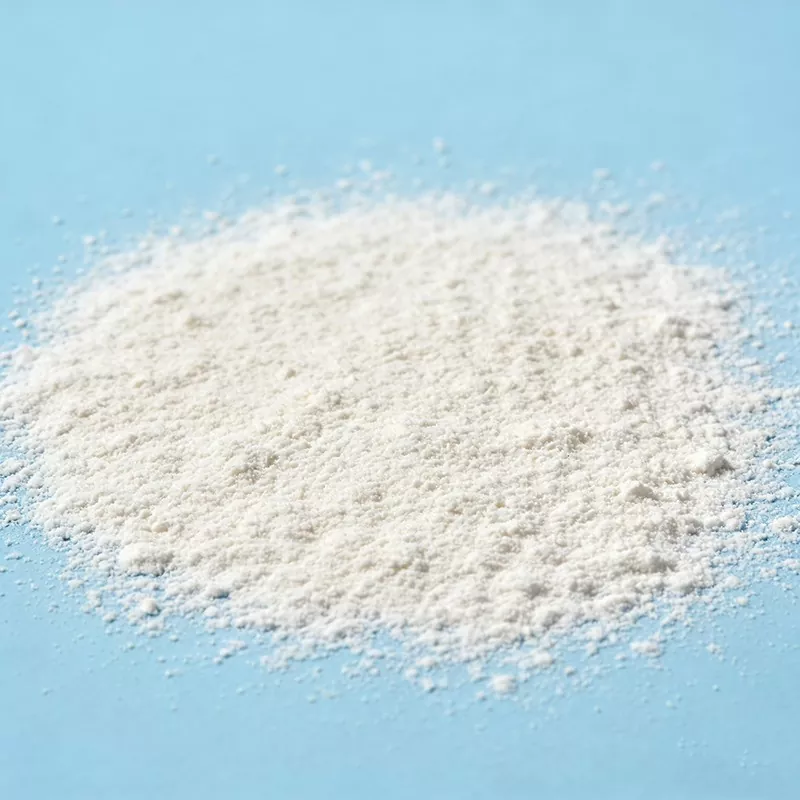
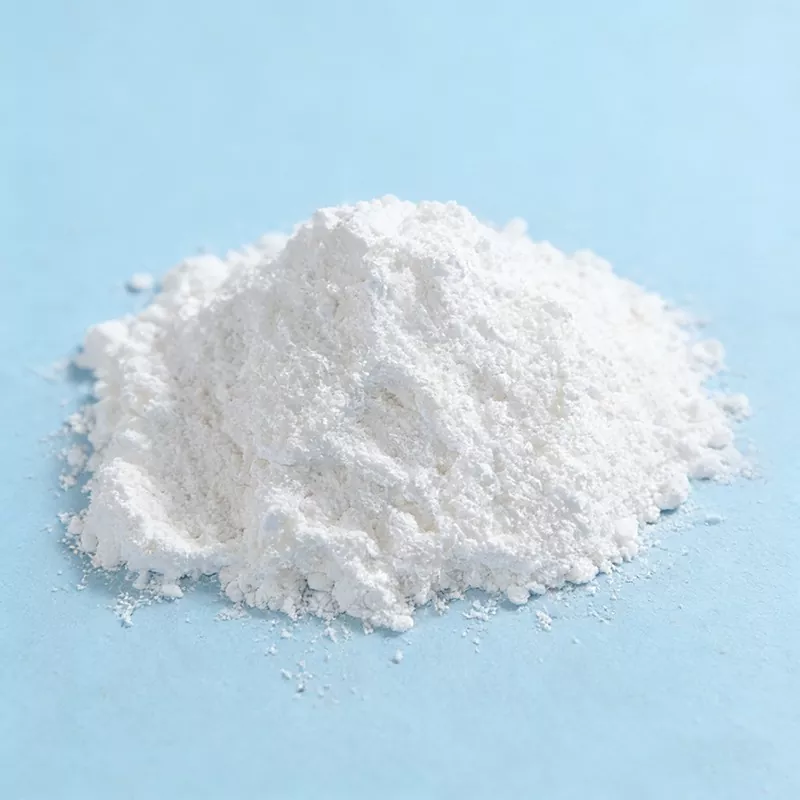
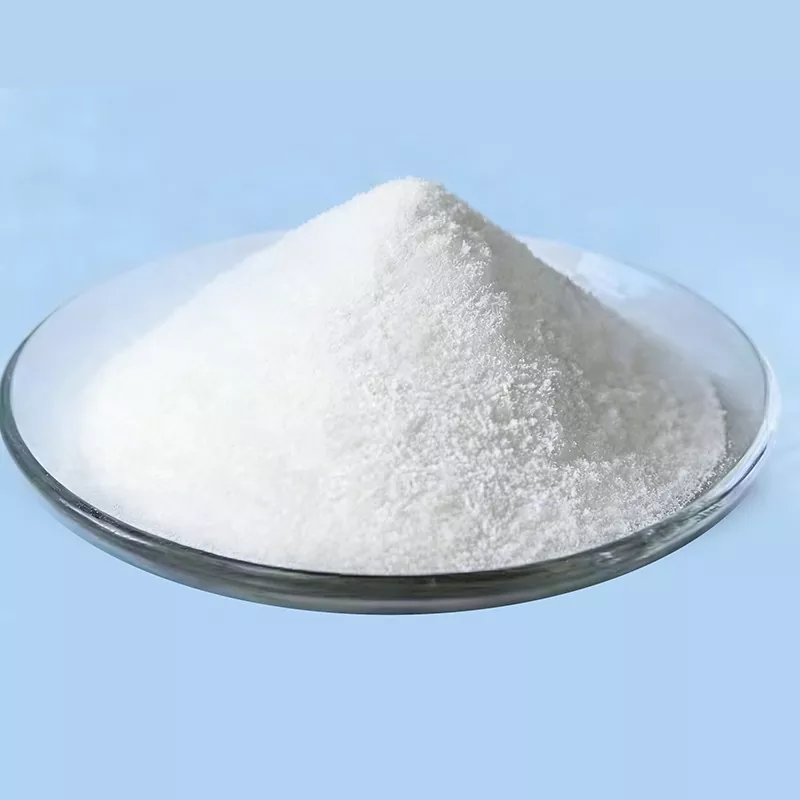
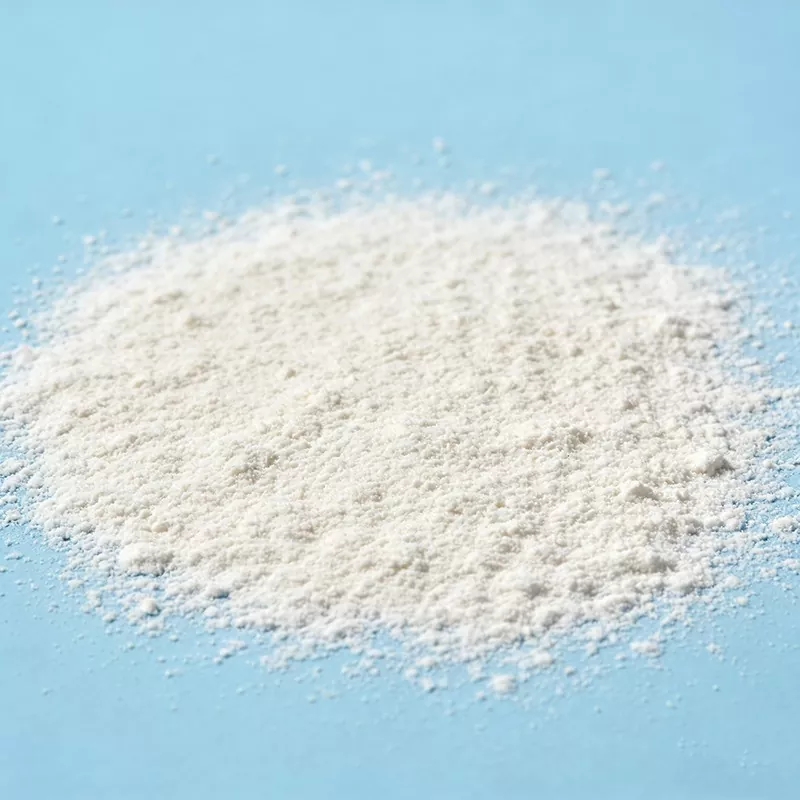
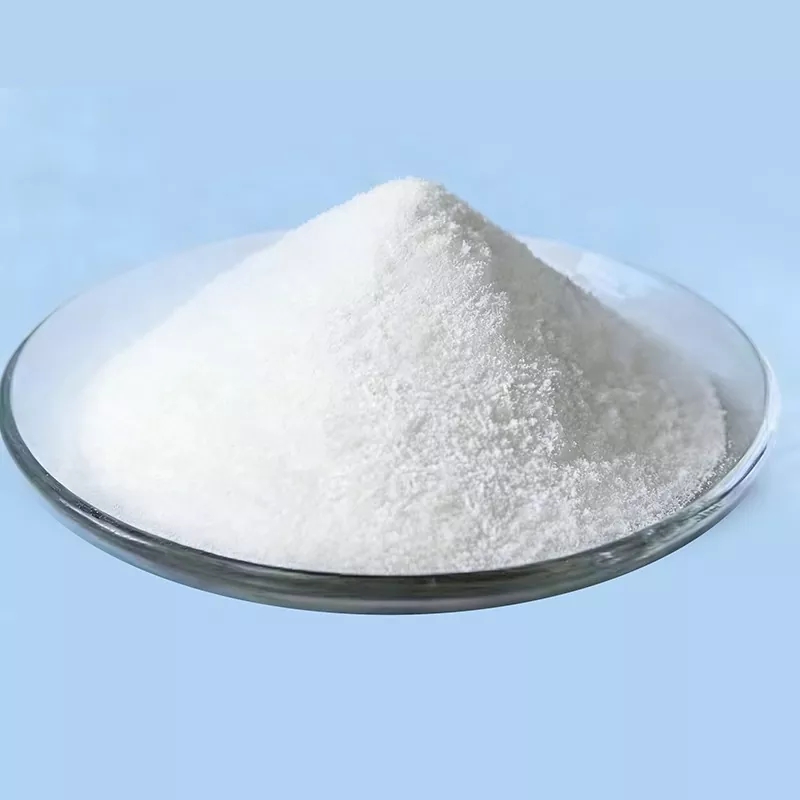
Nitroguanidine is a high-energy, low sensitivity energetic material with core characteristics of moderate detonation performance, low mechanical sensitivity, good thermal stability, high gas production, and relatively clean products. At the same time, it also has certain biological activity. Its applications are mainly concentrated in the core field of energetic materials (military/civilian blasting), and there are also a few niche applications in medicine and agriculture. Among them, the application of energetic materials is its most important and widespread use. The core functions and application scenarios in various fields are as follows:
1、 Core application: Energy containing materials field (military blasting+civil industrial blasting)
Nitroguanidine is a representative variety of low sensitivity and high safety energetic materials, often used as the main charge, mixed explosive component, and propellant modifier to compensate for the shortcomings of traditional energetic materials such as TNT and RDX, which have high sensitivity, poor thermal stability, and gas pollution. Its core function revolves around improving the safety of energetic materials, enhancing detonation/launch performance, and optimizing gas production efficiency.
In the military industry, key modifiers and components of propellants/propellants are the main military applications of nitroguanides, widely used in smokeless propellants for artillery and light weapons, as well as low sensitivity propellants for missiles and rockets.
As a cooling/flame reducing agent, the detonation temperature of nitroguanide during detonation/combustion is much lower than that of TNT and RDX. Adding it to the propellant can significantly reduce the muzzle flame and barrel temperature rise during artillery firing, reduce barrel erosion, improve the stability of continuous artillery firing, and reduce the risk of muzzle flame exposure to the target;
As a low sensitivity main component, it is compounded with nitrocellulose, nitroglycerin, etc. to make low sensitivity smokeless propellants, suitable for weapons such as large caliber artillery and high-precision sniper rifles that require high safety and ballistic stability of propellants. Its mechanical sensitivity is low (far lower than RDX), which can avoid accidental detonation during weapon transportation and impact;
Propellant additive: Used as a low sensitivity composite propellant for tactical missiles, it improves the thermal stability and storage life of the propellant. At the same time, it produces a large amount of gas during combustion, and the products are mainly N2, CO2, and H2O. There are no obvious toxic or harmful gases, reducing corrosion to the engine.
Civilian field: The safety components of industrial blasting/civilian explosives rely on the characteristics of low sensitivity and high safety. Nitroguanidine is used in mixed explosives for civilian industrial blasting, mainly suitable for blasting scenarios with high safety requirements (such as underground blasting, urban controlled blasting, and shallow hole blasting in mines):
By compounding with ammonium oil explosives and emulsion explosives, low sensitivity industrial explosives are made to reduce the sensitivity of explosives to impact, friction, and static electricity, avoiding premature and accidental explosions caused by improper operation and complex environments during blasting operations;
Used for the modification of permitted explosives in coal mines, where there is a risk of gas and coal dust explosions underground. Nitroguanidine burns/detonates without open flames and has a low explosion temperature. Adding it can improve the safety of permitted explosives while ensuring sufficient blasting power to meet the blasting needs of coal mining and excavation;
A small amount of gas producing medicine (auxiliary component) is used for civilian fireworks and safety airbags, utilizing its high gas production and clean product characteristics to improve the gas production efficiency and safety of gas producing medicine.
Intermediate of energetic materials: The molecular structure of nitroguanide, a new high-energy low sensitivity explosive, contains active groups such as nitro and amino groups. It can be used as an intermediate to synthesize new energetic materials through nitration, amination, condensation and other reactions, such as derivatives of nitroguanide, such as dinitroguanide and trinitroguanidine. These derivatives have better explosive performance than nitroguanide and still maintain low sensitivity characteristics, making them suitable for the research and production of high-end military energetic materials.
2、 Niche applications: pharmaceutical and agricultural fields
The biological activity of nitroguanidine is mainly reflected in antibacterial and anti coccidial effects, but due to its certain toxicity and side effects, its application scope in medicine and agriculture is relatively narrow, mostly as an auxiliary ingredient in specialized preparations, and it has not been widely used on a large scale
In the field of medicine: Nitroguanidine derivatives (such as furan nitroguanide), which are auxiliary components of antibacterial drugs (gradually phased out), have been used as ingredients in anti intestinal bacterial infection drugs and have a certain inhibitory effect on intestinal pathogenic bacteria such as Escherichia coli and Shigella. They are used to treat bacterial dysentery, enteritis and other diseases. However, due to the toxicity of these drugs to the human liver and kidneys, and the availability of safer antibacterial alternatives, they have been basically eliminated in clinical practice and are only used in small quantities in a few veterinary drugs.
In the field of agriculture, the derivative of nitroguanide, a specialized and niche drug for animal medicine, is a niche ingredient in poultry and livestock anti coccidiosis drugs. It has a certain preventive and therapeutic effect on coccidiosis in chickens, rabbits and other livestock and poultry. By inhibiting the cell division and reproduction of coccidiosis, it reduces the damage of coccidiosis to the intestinal tract of livestock and poultry, and improves the survival rate of breeding. However, due to the increased safety requirements in the animal medicine industry, it has been replaced by more efficient and low toxicity anti coccidiosis drugs, which are only added in small amounts in some composite animal medicine preparations.
3、 Key features and application matching precautions
All applications of nitroguanidine rely on its core properties, and attention should be paid to its inherent properties during use to avoid risks:
Core characteristics support applications: low mechanical sensitivity (impact sensitivity<5J, friction sensitivity<100N), good thermal stability (melting point 232 ℃, no decomposition when heated to 180 ℃), moderate detonation velocity (about 6800m/s), high gas production (about 98L of gas per 100g of detonation), and clean products, which are the key to becoming the core components of safe energetic materials;
Precautions for use: Although nitroguanide has low sensitivity, it is still an energetic material that can explode when exposed to strong oxidants, high-temperature open flames (>250 ℃), and severe impacts (exceeding the limit threshold). It should be stored separately during storage and transportation, away from open flames, oxidants, and metal powders; At the same time, it is slightly soluble in water and undergoes slight hydrolysis under acidic/alkaline conditions. It needs to be stored in a dry and neutral environment.
We use cookies to offer you a better browsing experience, analyze site traffic and personalize content. By using this site, you agree to our use of cookies.Privacy Policy