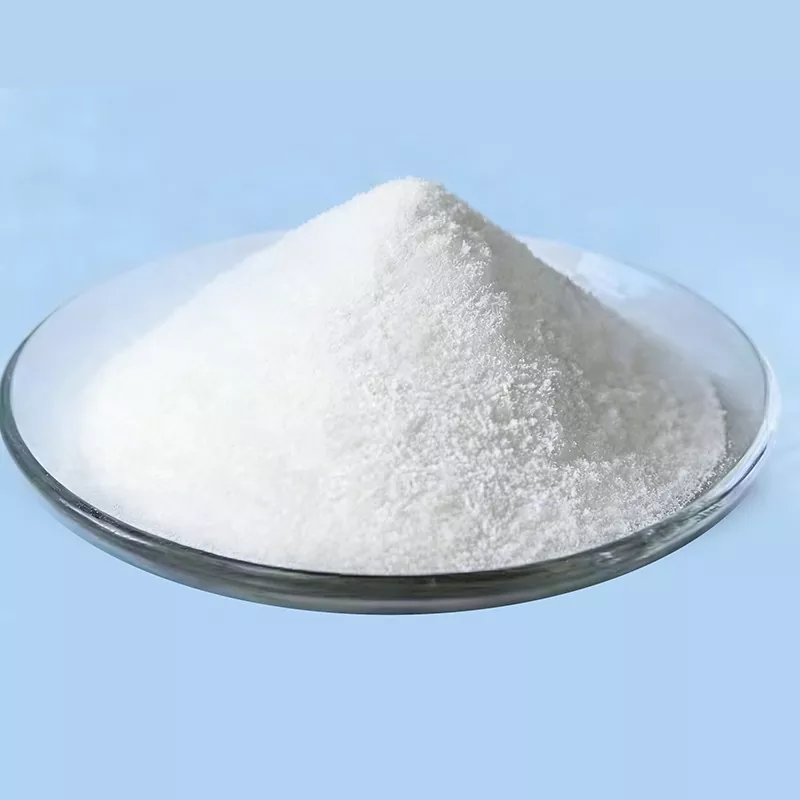
Trimethyl Orthoacetate , is an important organic synthetic intermediate and belongs to the group of orthoesters. Its characteristics mainly include chemical structure and stability, reaction properties, physicochemical properties, application properties, safety, and storage and transportation. The specific details are as follows:
1、 Characteristics of Basic Physical and Chemical Properties
Physical state and appearance
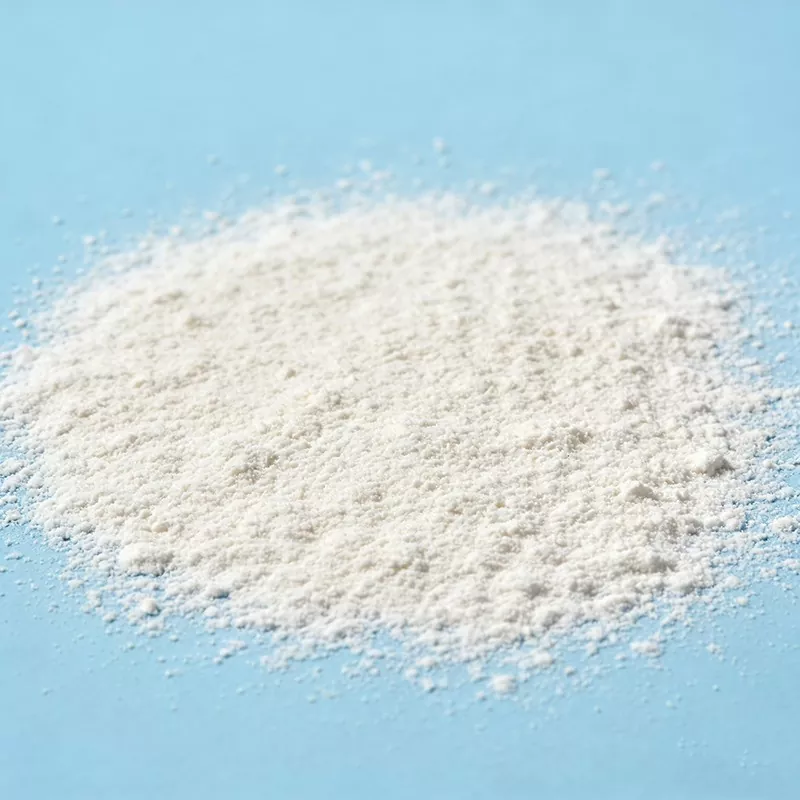
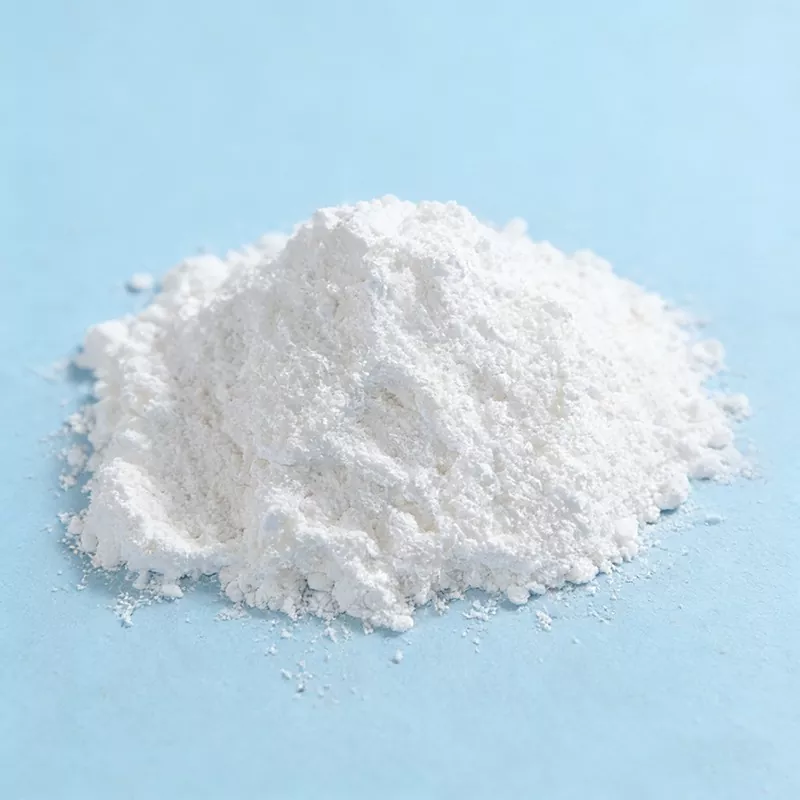
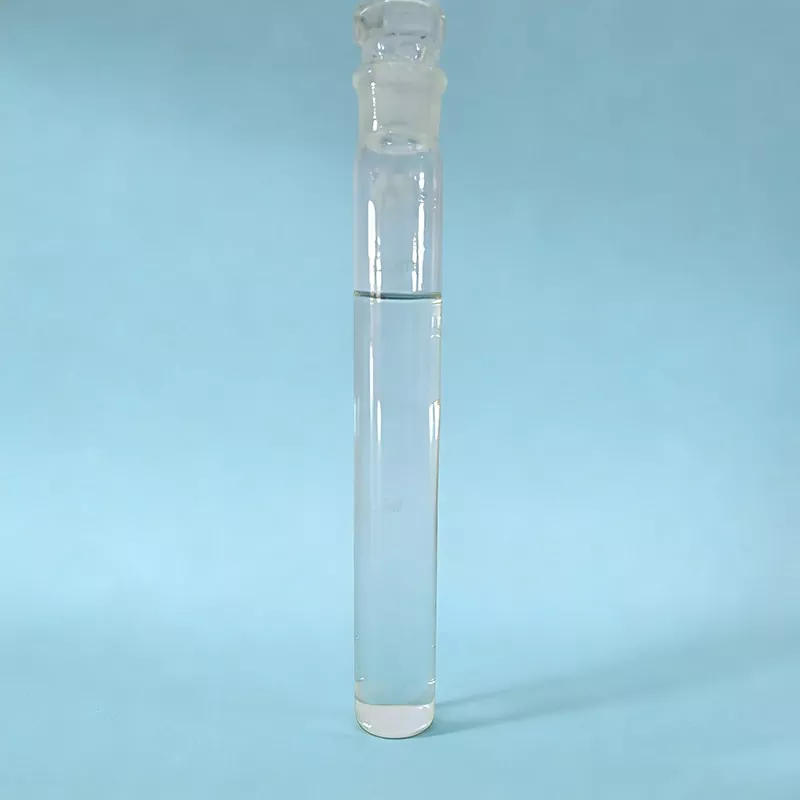
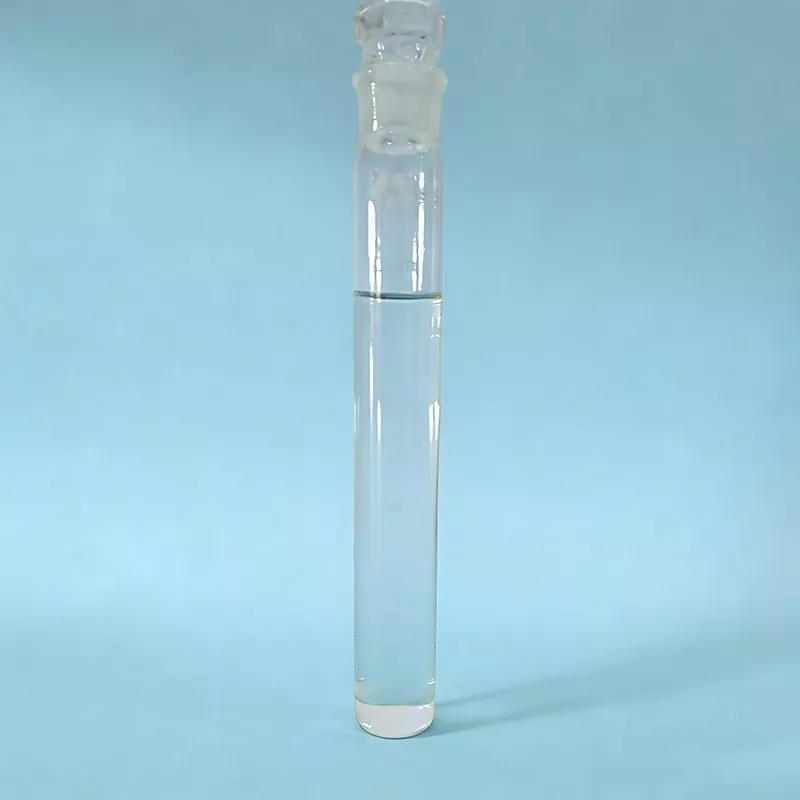
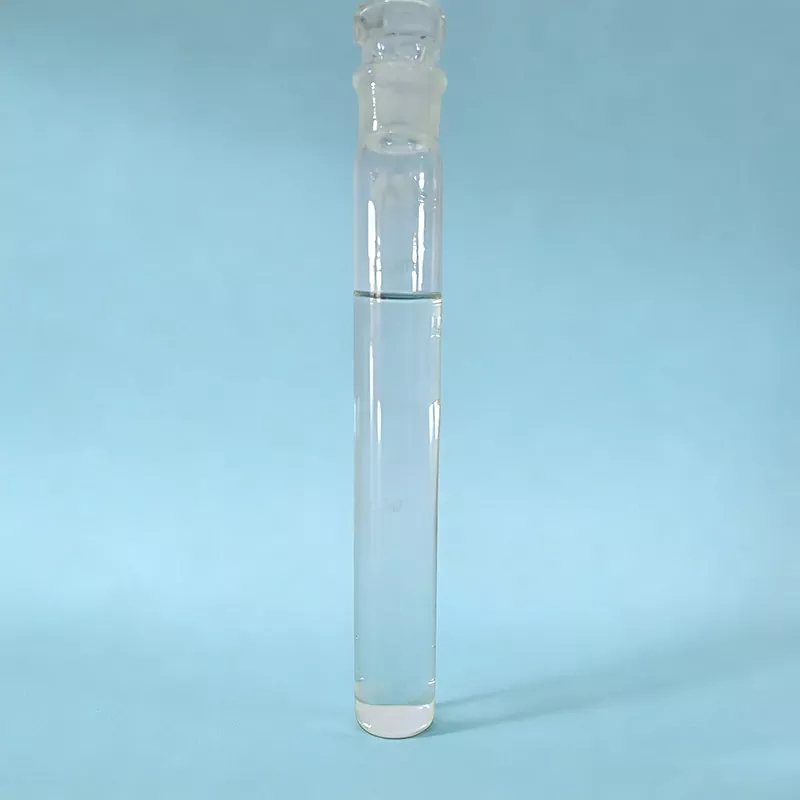
At room temperature and pressure, it is a colorless and transparent liquid with a slight ester odor. There is no obvious irritating odor, and the appearance is highly pure, making it easy to observe the state in the reaction system.
solubility
It has strong lipophilicity and is easily soluble in most organic solvents such as methanol, ethanol, ether, acetone, halogenated hydrocarbons, and aromatic hydrocarbons. It is insoluble in water and undergoes slow hydrolysis when in contact with water. This characteristic determines that it needs to be stored and used in anhydrous systems.
Key physical parameters
Molecular weight: 120.15
Boiling point: about 107-109 ℃ (atmospheric pressure), belonging to low boiling point organic solvents, with low difficulty in distillation purification and reactive distillation operations;
Density (20 ℃): about 0.94 g/cm ³, lighter than water;
Flash point: Approximately 16 ℃ (closed cup), classified as a medium flash point flammable liquid, requiring attention to fire and explosion prevention.
2、 Core characteristics of chemical properties
Hydrolysis characteristics: mild and controllable
As an acid ester, its core chemical behavior is hydrolysis reaction under acidic conditions, and the reaction equation is:
CH₃C (OCH₃)₃ + H₂O → CH₃COOCH₃ + 2CH₃OH
The characteristics are: stable under neutral/alkaline environment, only hydrolyzed under weak acid catalysis, no strong corrosive by-products, hydrolysis products are methyl acetate and methanol, both are common and easy to handle solvents, do not introduce impurity ions, suitable for synthesis reactions with high purity requirements for the system.
The three methoxy groups in the molecule have good departure ability and are efficient methylation reagents, aldehyde/ketone protection reagents, and ester exchange reagents:
Can undergo nucleophilic substitution with alcohols, phenols, carboxylic acids, etc., achieving protection or conversion of hydroxyl and carboxyl groups;
Can react with aldehydes/ketones under acid catalysis to form acetals/ketals, which are used for reversible protection of carbonyl groups. The reaction conditions are mild and deprotection is relatively simple;
It can be used as a methyl source to participate in organic synthesis, replacing some highly toxic methylation reagents (such as iodomethane), and has higher reaction selectivity.
thermal stability
Good thermal stability at room temperature, avoiding open flames and not easily decomposing when heated at high temperatures; But under high temperature (close to boiling point or above) or long-term action of strong acids and bases, it will accelerate decomposition and release flammable vapors such as methanol, and the reaction temperature needs to be controlled.
No acidic/alkaline groups, good reaction compatibility
There are no active polar groups such as carboxyl, hydroxyl, or amino groups in the molecular structure, making it chemically neutral. It can coexist and react with most acid-base sensitive functional groups (such as epoxy, cyanide, and unsaturated bonds) without causing side reactions, making it suitable for the synthesis of complex organic molecules.
3、 Core features of the application end
Pharmaceutical synthesis specific intermediate
It is a key raw material for the synthesis of various drugs, such as antiviral drugs, antibiotics, and cardiovascular drugs. Its core advantages are high reaction selectivity, easy separation of by-products, and easy achievement of product purity standards, meeting the strict requirements of pharmaceutical intermediates for impurity content.
Advantages of Organic Synthesis of "Protective Reagents"
Compared with other protective reagents, trimethyl acetate used for carbonyl protection has the characteristics of fast reaction rate, high protection efficiency, mild deprotection conditions, and strong stability of the protected intermediate, making it suitable for multi-step synthesis routes.
Spices and Fine Chemical Applications
Intermediate that can be used for synthesizing spices and food additives. Its colorless and odorless characteristics will not affect the aroma and purity of the final product; It is also used as a modifier for coatings and adhesives to enhance the water resistance and film-forming performance of products.
Compatibility of electronic chemicals
High purity grade trimethyl acetate can be used for the synthesis of electronic grade chemicals and photoresist reagents. Thanks to its low metal ion content and no water-soluble impurities, it meets the strict standards for chemical purity in the electronics industry.
We use cookies to offer you a better browsing experience, analyze site traffic and personalize content. By using this site, you agree to our use of cookies.Privacy Policy