Follow Tendenci news for industry trends, company updates and green chemical innovations. We are a forward-looking China factory in fine chemicals sector.
Potassium tert-Butoxide is a highly active organic strong base with strong alkalinity, high steric hindrance and reaction selectivity. It reacts violently with water and is corrosive. It is not a civilian consumer product and is only intended for professional users in industrial and scientific research institutions. Different customers have significant differences in requirements for purity, packaging specifications, moisture, and free alkali indicators. Clarifying the target audience for adaptation can help with precise selection and procurement.
1、 Physical properties
1. Appearance and Form
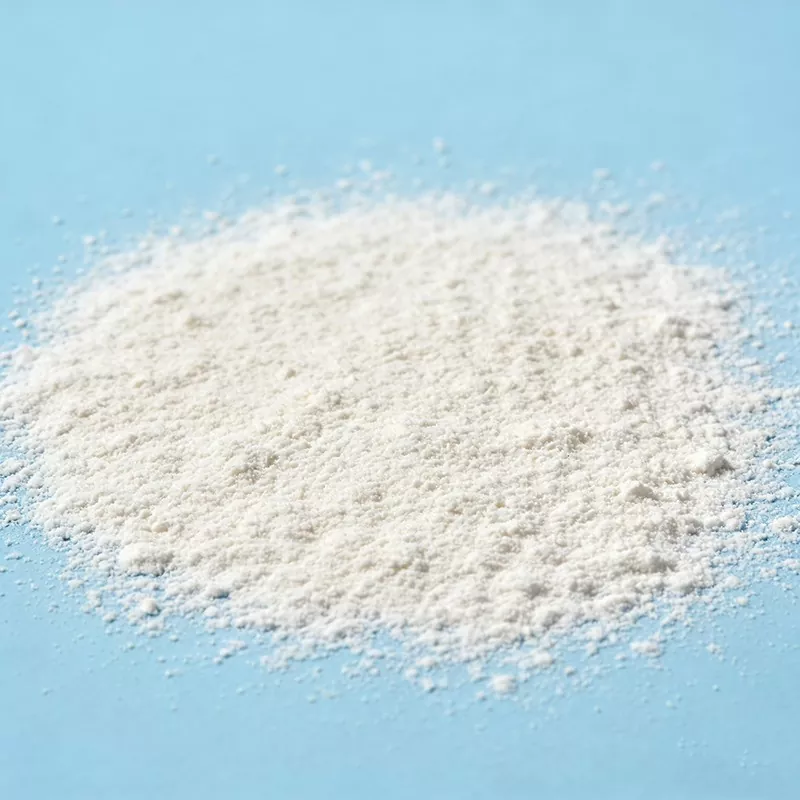
At room temperature, it is a white to off white hygroscopic powder or particle; The industrial solution is a light yellow slightly turbid liquid with no overall odor.
Potassium tert-Butoxide is a highly active and hygroscopic organic strong base. When exposed to air, it will continue to absorb moisture, hydrolyze, carbonize and deteriorate, gradually losing its activity and cannot be stored for a long time.
Nitroguanidine combines the properties of energetic materials with the value of organic synthesis intermediates. With its high nitrogen structure, low impact friction sensitivity, and controllable chemical reactivity, it is mainly divided into two application areas: energetic materials and fine chemical synthesis. At the same time, it is strictly controlled by hazardous chemical regulations, and has special safety requirements for production, transportation, and use.
Phosphorous Acid is a strong ternary acid, pure as colorless crystals, commonly in the form of an 85% aqueous solution; The central phosphorus element is pentavalent and in its highest oxidation state, so it is almost non oxidizing, which is its core difference from nitric acid.
There are three mature preparation routes for Potassium tert-Butoxide: direct synthesis of metallic potassium, which has excellent product purity but high safety risks and costs, and is only used in small quantities in the laboratory; The potassium hydroxide azeotropic dehydration method is currently the mainstream of industrial production due to its easy availability of raw materials and ease of large-scale production; The alcohol exchange method can prepare low impurity and high-purity products, mainly targeting the high-end pharmaceutical market. New processes such as membrane dehydration and electrolysis are still in the research and development and pilot stage, and have not yet been widely mass-produced.
We use cookies to offer you a better browsing experience, analyze site traffic and personalize content. By using this site, you agree to our use of cookies.Privacy Policy

 04 2026-09
  25 2026-08
  18 2026-08
  11 2026-08
  04 2026-08
  28 2026-07