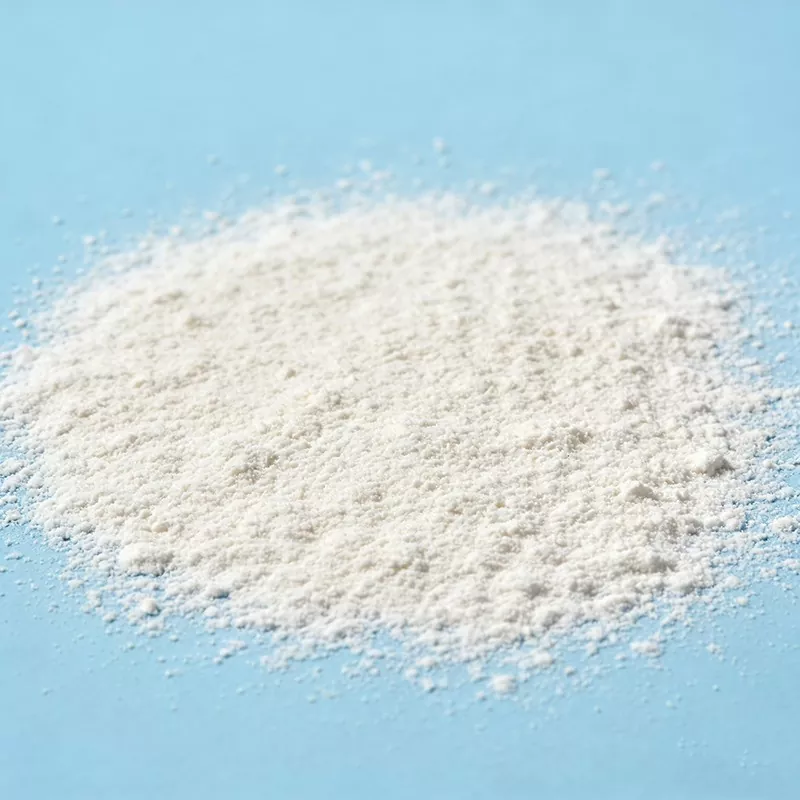
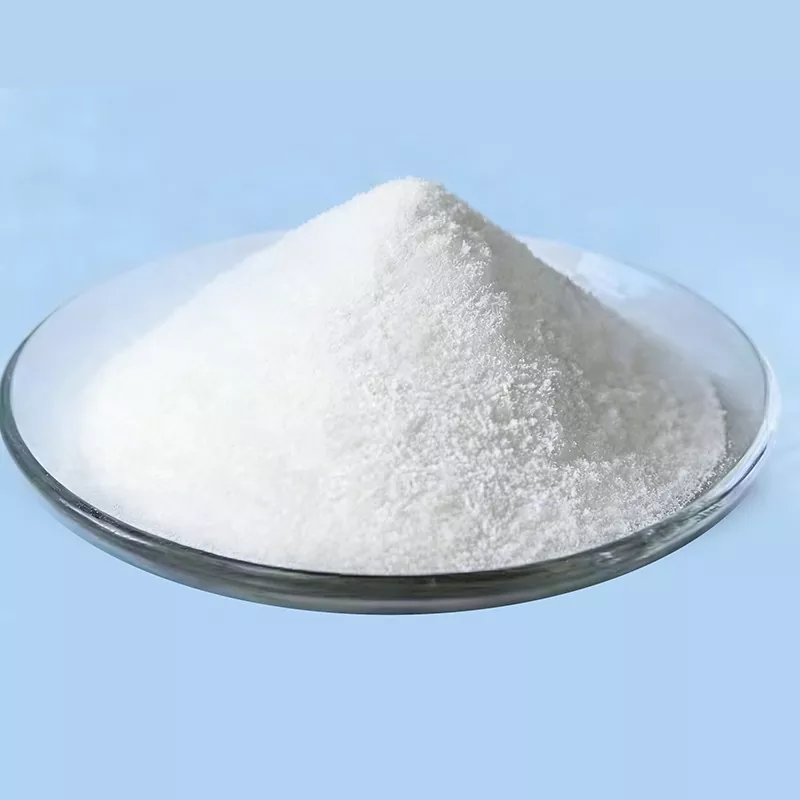
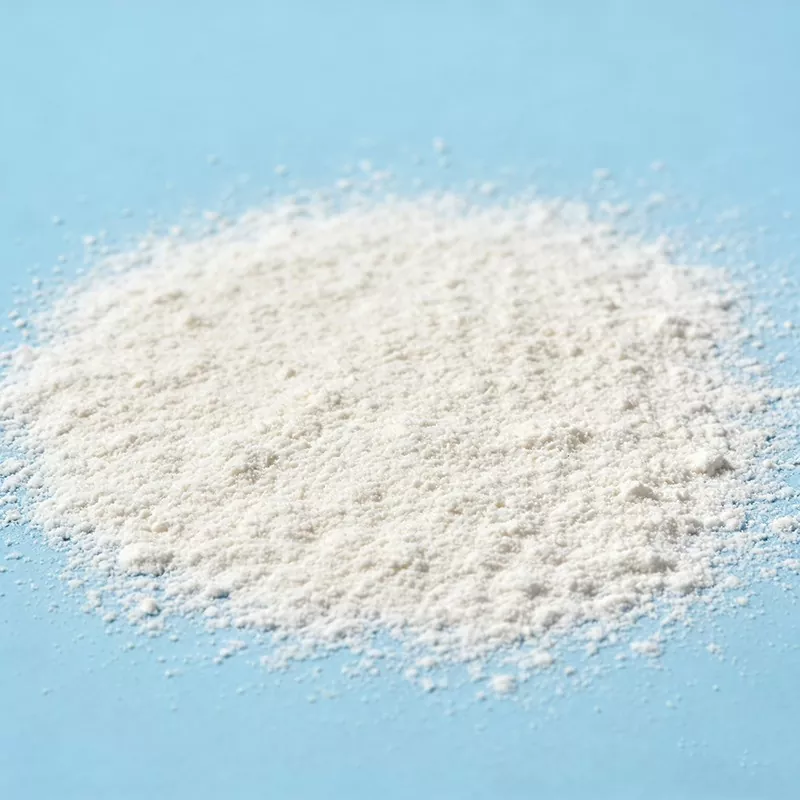
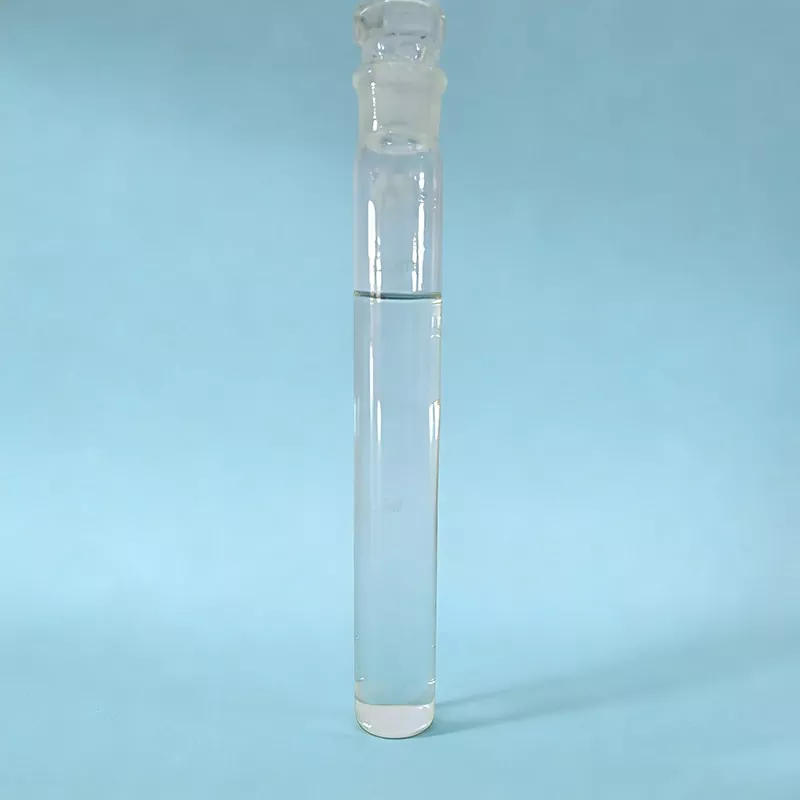
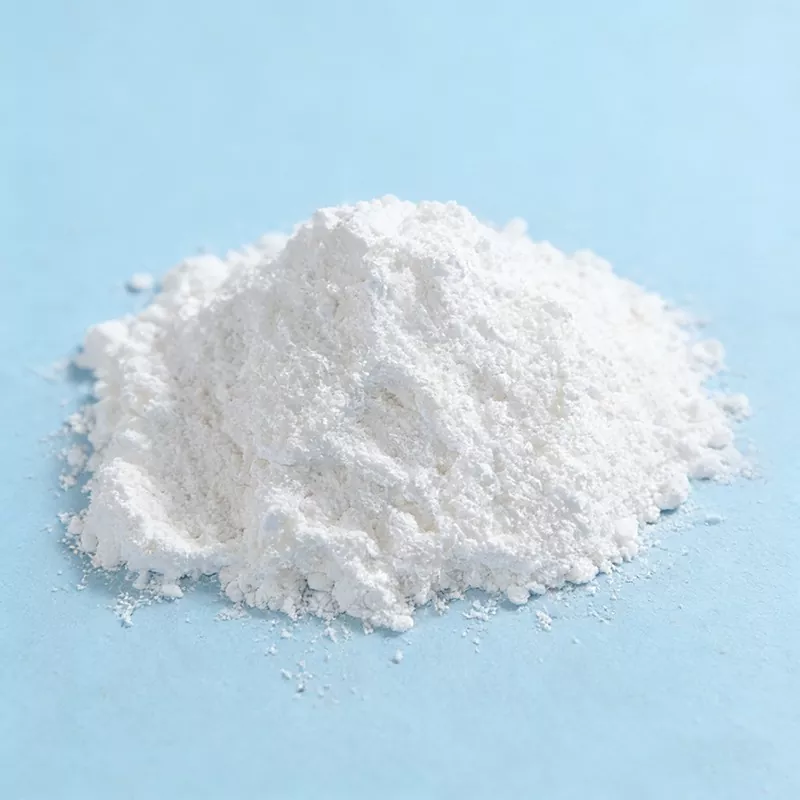
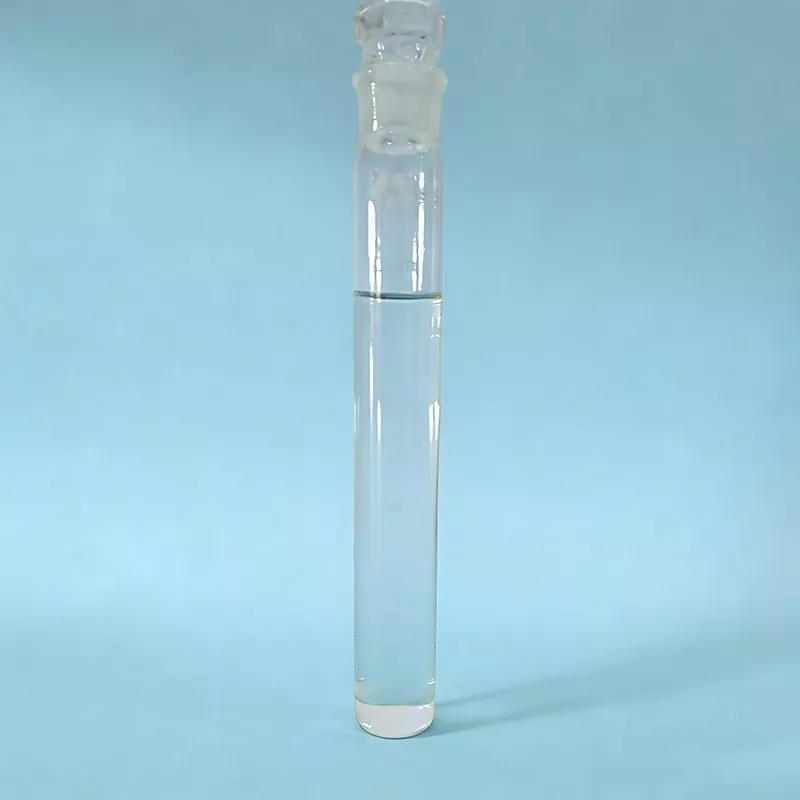
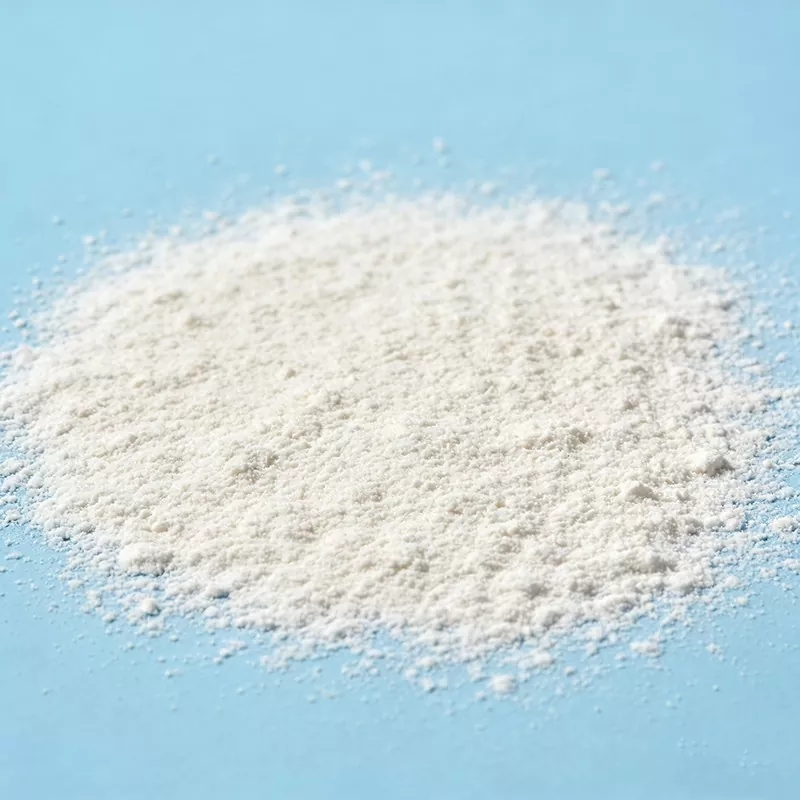
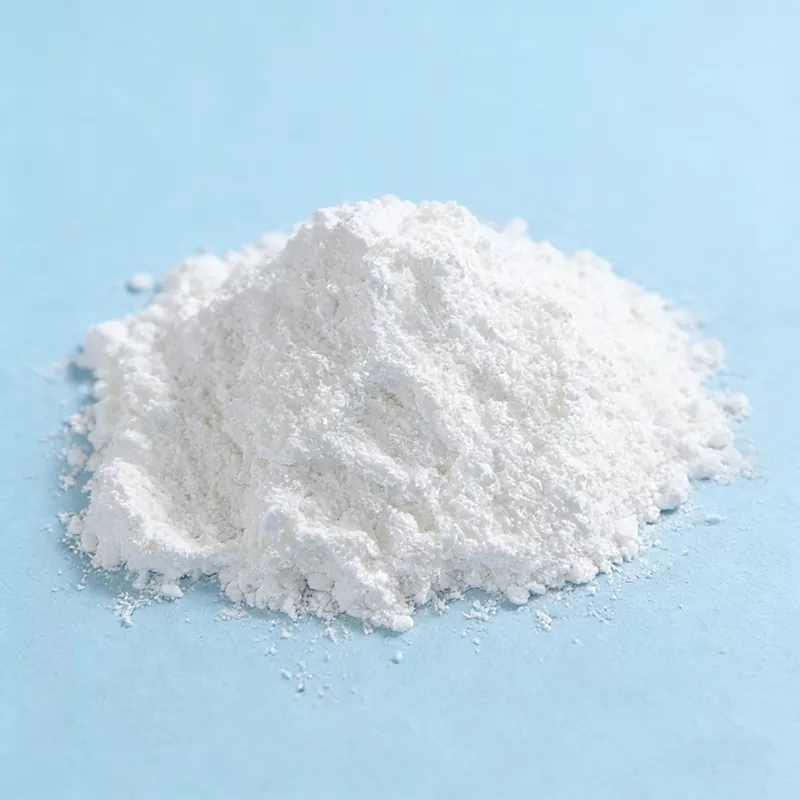
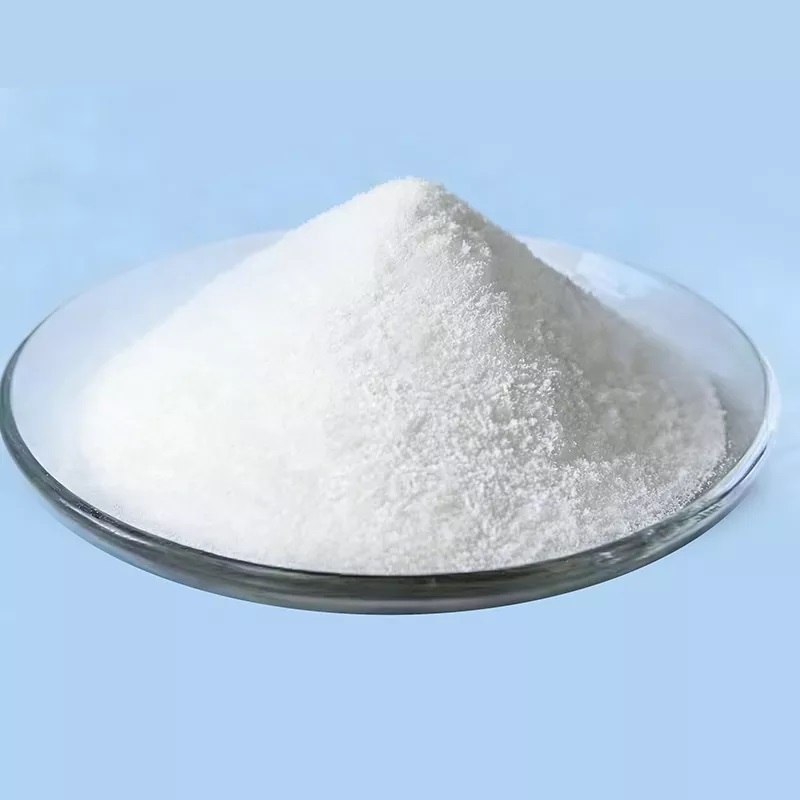
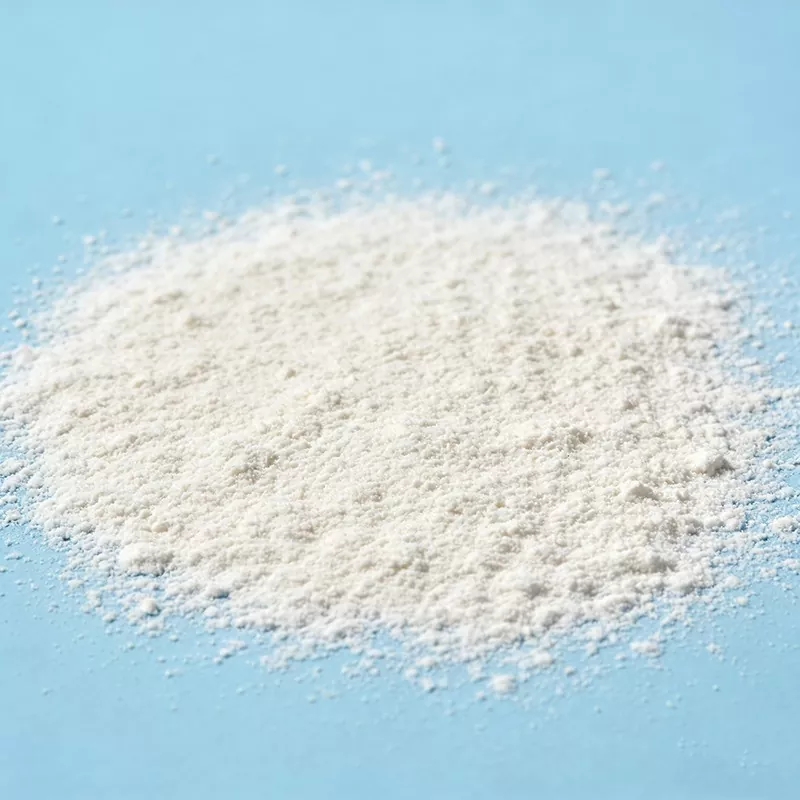
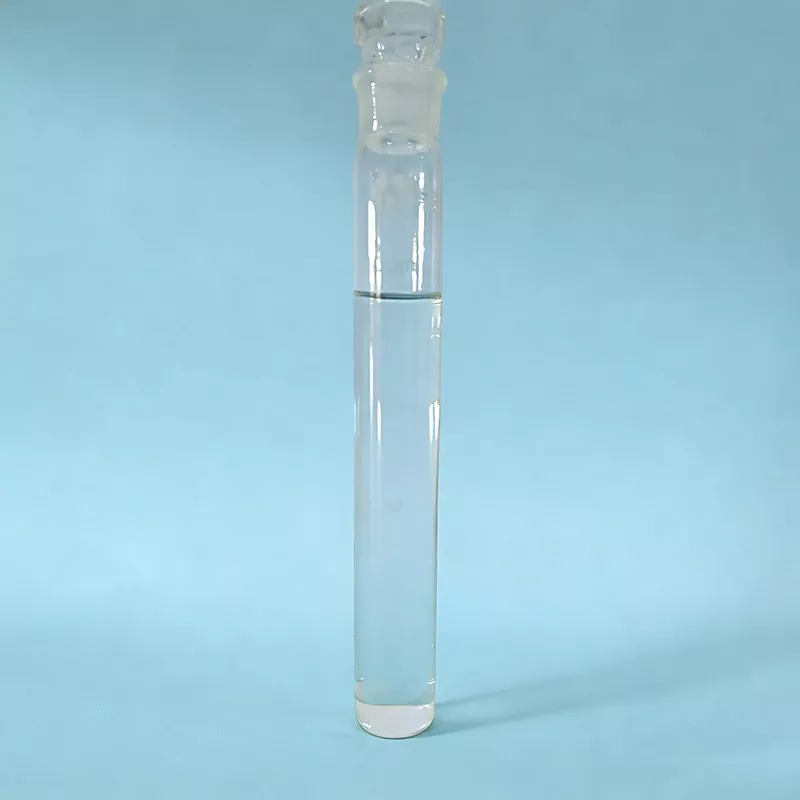
At room temperature, it is a white to off white hygroscopic powder or particle; The industrial solution is a light yellow slightly turbid liquid with no overall odor.
2. Temperature parameters
Melting point 256-258 ℃ (decomposes when heated), boiling point 275 ℃ (decomposes at high temperatures).
3. Density and flash point
The density of the solution at room temperature is about 0.91g/mL, with a flash point of 12 ℃, and it belongs to the category of flammable chemical raw materials.
4. Dissolution characteristics
Easy to dissolve in organic solvents such as tert butanol, tetrahydrofuran, toluene, etc; **Insoluble in water, it will undergo violent reactions when in contact with water.
5. Environmental sensitivity
Highly hygroscopic and highly sensitive to air and water vapor, exposed to humid air can quickly deteriorate, and there is a risk of self heating and ignition when stored in a pile.
2、 Chemical properties
1. Strong alkaline properties
Belonging to high steric hindrance organic strong bases, with stronger alkalinity than ordinary inorganic strong bases, strong alkalinity, weak nucleophilicity. High reaction selectivity, mainly used for capturing organic substrate protons, less prone to side reactions, suitable for fine synthesis reactions.
Encountering water and humid air can cause rapid and intense hydrolysis reactions, accompanied by a large amount of heat release, which can easily lead to material deterioration and solvent combustion, making it the most critical risk point for this product.
3. Reaction adaptability
It can participate in various organic synthesis reactions such as elimination, condensation, cyclization, and rearrangement, and is a core catalyst for the synthesis of fine chemicals, pharmaceuticals, and pesticides.
4. Stability
Stable at room temperature under dry sealing and inert gas protection; It is prone to failure and deterioration in high temperature, humidity, and aerobic environments.
5. Strong corrosiveness
Belonging to highly corrosive chemicals, it can cause serious chemical burns to human skin, mucous membranes, and eyes. Direct contact is strictly prohibited.
3、 Taboos and hazardous characteristics
1. It is strictly prohibited to come into contact with water, acids, strong oxidants, and humid air, as they may cause severe reactions upon contact;
2. Flammable and prone to self heating, accumulation of moisture can cause spontaneous combustion;
3. Do not use water to extinguish fires, do not wet treat leaks, only use dry sand and inert powder to cover and dispose of。
We use cookies to offer you a better browsing experience, analyze site traffic and personalize content. By using this site, you agree to our use of cookies.Privacy Policy