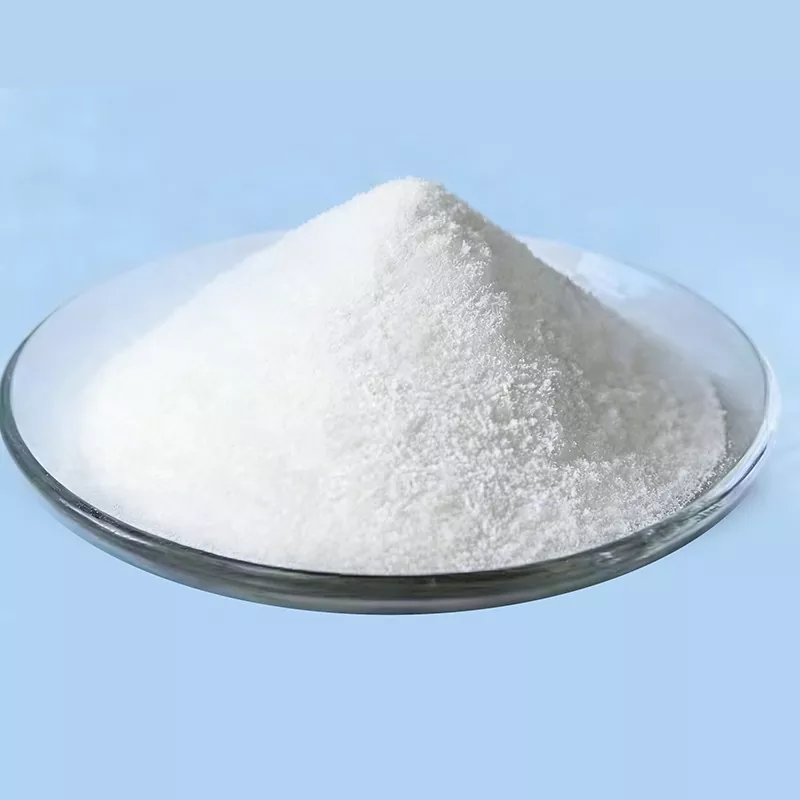
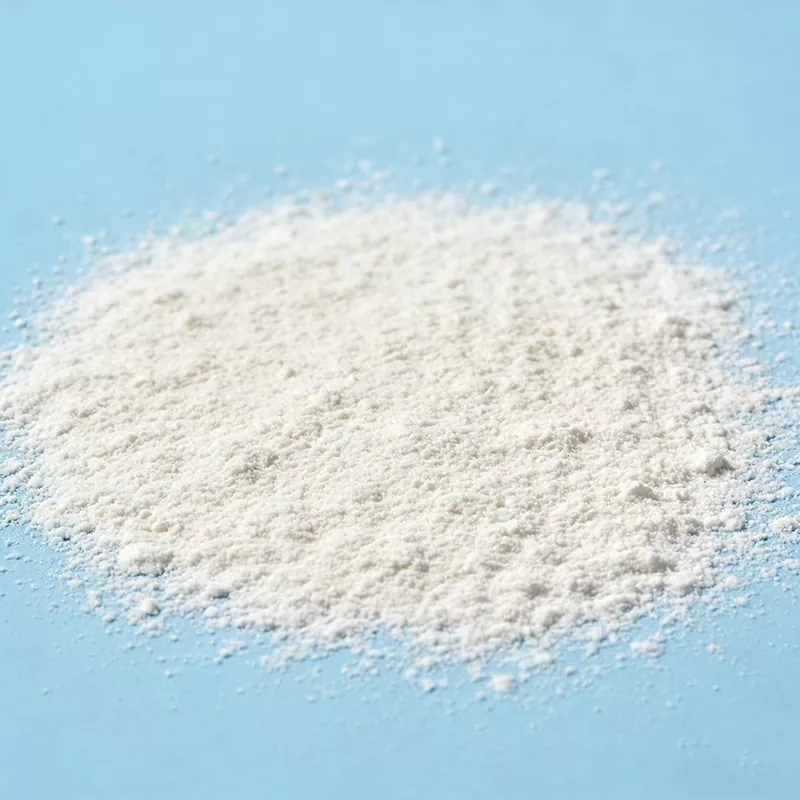
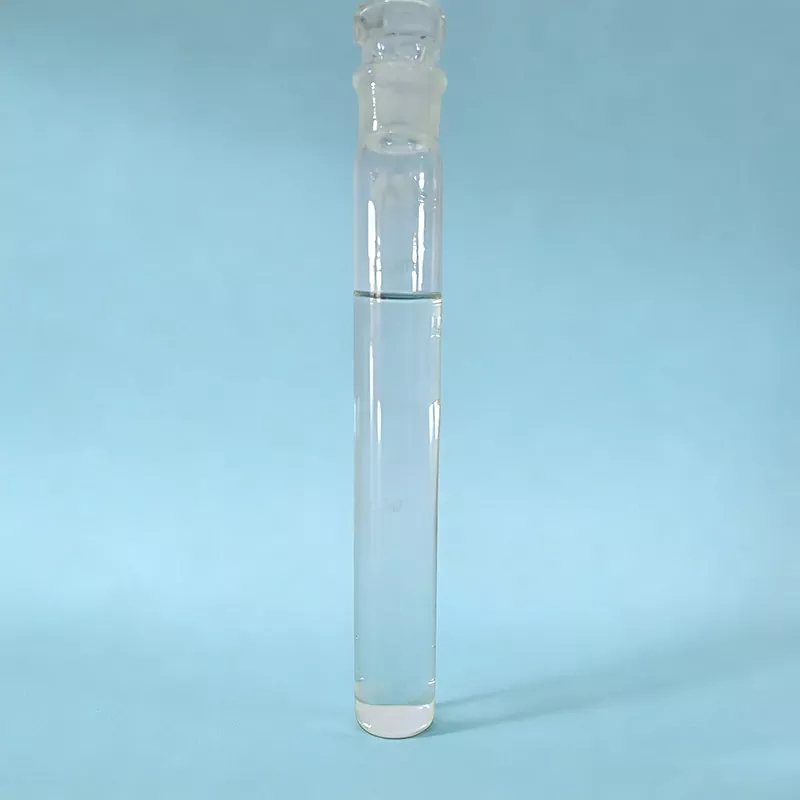
Phosphoric acid is a core intermediate in the phosphorus chemical industry, divided into four categories: wet process industrial phosphoric acid, thermal refined phosphoric acid, food grade, and electronic high-purity grade. It relies on three core characteristics: acidity, chelation, and phosphorus source supply, and runs through nine major sectors: basic chemical, fine chemical, new energy, electronics, metallurgy, daily chemical, water treatment, pharmaceuticals, and agrochemicals. The following is a breakdown of the chemical industry track:
1、 Basic Inorganic Chemical Industry: Core Raw Materials for Various Phosphates and Phosphides (Maximum Industrial Consumption Scenario)
Phosphoric acid is the mother material of almost all phosphates, which generates various inorganic salts through neutralization reactions and supplies downstream of the entire industry chain:
Orthophosphate series
Monosodium phosphate/disodium phosphate/trisodium phosphate, monopotassium phosphate/potassium dihydrogen phosphate, monoammonium phosphate MAP, diammonium phosphate DAP, calcium phosphate, zinc phosphate; Used for fertilizers, water treatment, electroplating, buffering agents, and food additives.
Condensed phosphate (polyphosphate)
Dehydration polymerization of phosphoric acid produces sodium tripolyphosphate, sodium pyrophosphate, sodium hexametaphosphate, and metaphosphate; It is the main raw material for detergent and water softener, industrial chelating agent, and ceramic dispersant.
Organic phosphorus intermediate raw materials
Preparation of phosphate esters (tributyl phosphate, triphenyl phosphate) through phosphoesterification, used as flame retardants, plastic plasticizers, and extractants;
Further synthesis of phosphorus trichloride and phosphorus pentoxide to produce pesticides, lubricant additives, and organic synthesis catalysts.
Industrial buffer reagent
Phosphate+phosphate to prepare a wide pH buffer solution, a universal medium for chemical synthesis, laboratory titration, and chromatographic detection.
2、 New energy lithium battery chemical industry (high-speed growth high value-added track)
Lithium iron phosphate (LFP) cathode material core phosphorus source
The preparation of iron phosphate precursor by reacting industrial thermal phosphoric acid with ferrous sulfate and ammonia water, sintering to generate lithium iron phosphate for power batteries, supporting electric vehicles and energy storage power stations, is the largest area of phosphoric acid increment in recent years; Manganese iron lithium LMFP synchronously uses high-purity phosphoric acid as raw material.
Battery electrolyte additive
Preparation of hypophosphite and phosphorus containing flame retardant additives to enhance the high-temperature stability of lithium batteries and suppress thermal runaway.
Energy storage supporting water treatment
Phosphate corrosion and scale inhibitors are used in energy storage circulating water systems to prevent corrosion and scaling of liquid cooling pipelines.
3、 Fine chemical industry: catalysis, flame retardant, daily chemical, coating additives
Organic synthesis catalyst
Weak acidic mild catalyst, used for phenolic resin condensation, esterification, etherification, sugar hydrolysis, and epoxy ring opening reaction; Corrosion is lower than sulfuric acid, and materials are not easily carbonized.
Phosphorus based flame retardant raw materials
Various types of phosphate esters and ammonium polyphosphate (APP) are based on phosphoric acid as the raw material, added to plastics, rubber, epoxy resins, textiles, and coatings. They form a carbon layer at high temperatures to isolate oxygen and flame retardant, and are the mainstream route of halogen-free environmental flame retardant.
Daily chemical detergent additives
Production of sodium tripolyphosphate, pyrophosphate, laundry detergent, dishwashing detergent, industrial cleaning agent core detergent: chelates calcium and magnesium ions in water to soften water quality, disperse oil stains, and enhance cleaning power.
Coatings, inks, dye additives
Dye synthesis desiccant, printing ink pH regulator; Water based paint dispersant to prevent pigment aggregation and settling.
Clarifier for sugar industry
Phosphoric acid neutralizes colloidal impurities in sugarcane juice, floccules and settles pigments and colloids, and improves the clarity and decolorization efficiency of white sugar.
4、 Metallurgy and Metal Surface Treatment Chemical Industry
Relying on the characteristic that phosphoric acid can generate insoluble phosphate protective film on metal surfaces, it is widely used for pre-treatment of hardware, automobiles, and steel structures:
Phosphating treatment solution
Steel, cold-rolled plates, aluminum parts, and galvanized parts undergo rust removal and phosphating, forming a uniform phosphating film on the surface to prevent rust and corrosion. At the same time, the adhesion of spray paint, electrophoresis, and spray coating is greatly improved. This is a standard process for automotive body and home appliance shells.
Chemical polishing/electrolytic polishing solution
Phosphoric acid is combined with nitric acid and acetic acid to prepare a polishing solution for mirror polishing of stainless steel, aluminum, and copper jewelry, resulting in bright and scratch free workpieces.
Industrial acid pickling and descaling
Boiler, heat exchanger, pipeline specific cleaning agent, dissolves rust, calcium carbonate scale; After cleaning, a passivation film is automatically formed, which is less corrosive than hydrochloric acid and less prone to rusting.
Mineral flotation aid
Rare earth and non-ferrous metal beneficiation adjusts the pH of the slurry, chelates impurity metal ions, and improves the purity of mineral separation.
5、 Water treatment, environmental protection, chemical industry
Raw materials for scale and corrosion inhibitors in circulating water
Preparation of organic phosphine and inorganic phosphate water stabilizers, specifically designed for circulating water in power plants, chemical industries, and central air conditioning systems, to inhibit calcium carbonate scaling and protect carbon steel pipelines.
Wastewater heavy metal capture agent
Phosphate ions precipitate heavy metals such as lead, zinc, nickel, and cadmium in wastewater, generating insoluble phosphate sludge and reducing the discharge of heavy metals in effluent.
Adjust pH with pure/soft water
Fine tune the pH of water produced by reverse osmosis to stabilize the operating environment of membrane components.
6、 Electronic semiconductor chemical industry (specialized for ultra-high purity electronic grade phosphoric acid)
Purification by thermal method to 99.999% high purity, control of heavy metal impurities at ppb level, key consumables for chip manufacturing:
Wafer cleaning, aluminum layer etching
Wet etching of aluminum electrode film after photolithography to remove surface oxides and particle impurities on silicon wafers; Adapt to discrete devices, integrated circuits, and panel LCD/LED processes.
Photovoltaic silicon wafer cleaning
The process of making velvet and cleaning solar cell silicon wafers, removing cutting damage layers and metal pollutants.
7、 Pharmaceutical and chemical industry (pharmaceutical grade refined phosphoric acid)
Pharmaceutical phosphate intermediate
Production of sodium glycerophosphate, iron phosphate, zinc phosphate, and calcium hydrogen phosphate for use in calcium supplements, nutrient solutions, and iron supplements; Sodium glycerophosphate is an intravenous phosphate supplement.
Medicinal buffer system
Injection and oral liquid pH regulators stabilize the active ingredients of drugs and prevent decomposition and failure.
Dental consumables raw materials
Zinc phosphate dental adhesive powder, dental etching agent, and basic raw material for orthodontic restoration.
We use cookies to offer you a better browsing experience, analyze site traffic and personalize content. By using this site, you agree to our use of cookies.Privacy Policy