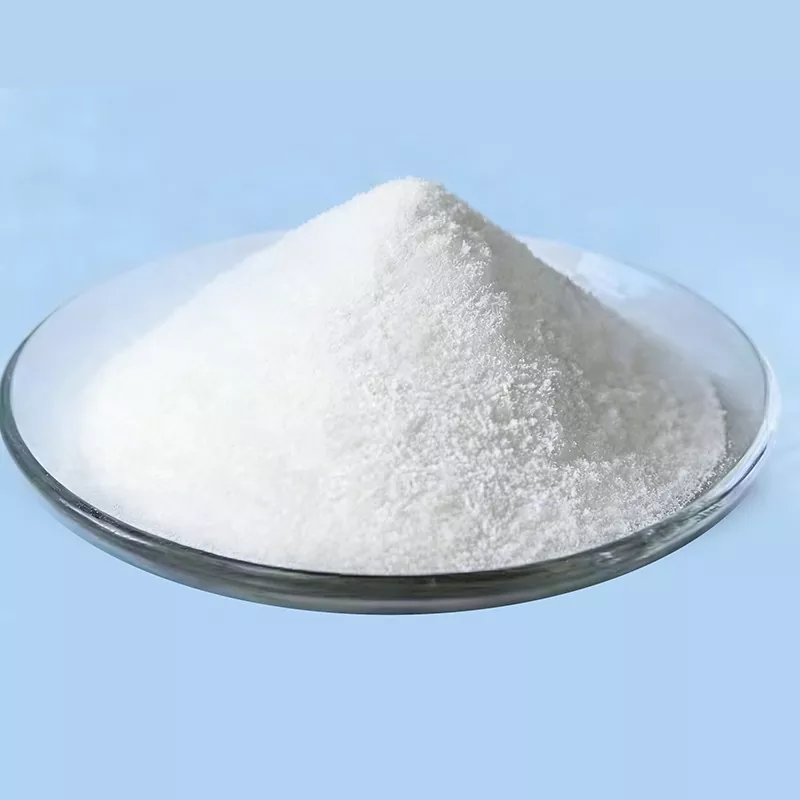
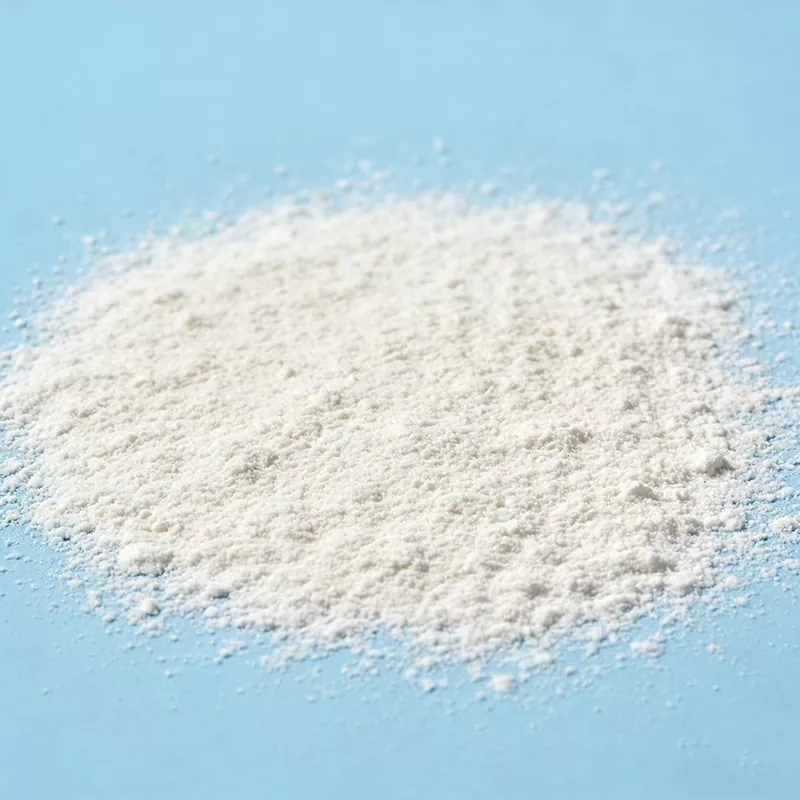
Potassium tert-Butoxide belongs to the category of steric hindrance strong bases, with strong alkalinity and weak nucleophilicity, and is not prone to side reactions. It is a core base reagent for the synthesis of pharmaceutical intermediates and is commonly used for deprotonation, condensation, cyclization, etc Wittig、 Coupling and elimination reactions are widely used in the custom synthesis of active pharmaceutical ingredients, chiral drugs, heterocyclic intermediates, and CDMO.
1、 Antiviral drug intermediates
Oseltamivir (anti influenza)
Key cyclization and elimination steps, construction of cyclohexene skeleton, selective deprotonation, and avoidance of polyhydroxy side reactions.
Alkylation of purine and pyrimidine nucleoside side chains, deprotonation with hydroxyl protection; Sugar ring configuration reversal and closed-loop reaction.
Various small molecule 3CL protease inhibitor intermediates undergo alkylation and carbon chain condensation.
2、 Targeted anti-tumor drugs
Kinase inhibitors (BTK, EGFR, ALK, JAK)
C-H activation and side chain alkylation of indole, pyridine, and pyrimidine heterocycles; Constructing a pharmacophore heterocyclic nucleus through intramolecular cyclization.
PROTAC Degradant
Claisen condensation, ester exchange, carbon chain extension, and mild and highly selective hydrogen extraction of connecting fragments at both ends of the molecule.
Taxol and docetaxel derivatives: steroid side chain modification, double bond construction.
Preparation of olefins through Wittig reaction of intermediates of multi-target inhibitors such as cabozantinib and lenvatinib.
3、 Cardiovascular and anticoagulant drugs
Rivaroxaban, Apixaban (factor Xa anticoagulant)
Thiophene and oxazolidine heterocyclic rings are closed, and intramolecular condensation forms a drug core condensed ring structure.
Antihypertensive drugs and statin lipid-lowering intermediates: ester condensation, side chain alkylation, constructing long carbon chain skeleton.
4、 Antibiotics and anti infective drugs
β - lactam derivatives (penicillin, cephalosporin derivatives): parent nucleus modification, side chain amide condensation, selective dehydrogenation to protect the quaternary ring from destruction.
Quinolone antibiotics: synthesis of pyridone ring and introduction of fluorinated side chains.
Modification of macrolide antibiotics: rearrangement and alkylation of lactone side chains.
5、 Chiral drugs and asymmetric synthesis
Wittig reaction: construction of chiral olefins, widely used for the construction of carbon carbon double bonds in chiral drugs.
Darzens condensation: The preparation of chiral epoxy intermediates is a crucial step in many chiral active pharmaceutical ingredients.
Asymmetric Michael addition, chiral carbon center construction, and low racemic byproducts.
Buchwald Hartwig C-N coupling precursor dehydrogenation and synthesis of aromatic amine intermediates.
6、 Steroids and hormone drugs
Estradiol, progesterone, and glucocorticoid intermediates:
Selective elimination of double bonds on the steroid skeleton;
Side chain alkylation and lactone cyclization;
Selective deprotonation of polyhydroxy systems without disrupting their stereoisomers.
We use cookies to offer you a better browsing experience, analyze site traffic and personalize content. By using this site, you agree to our use of cookies.Privacy Policy