1、 Basic hazardous chemical transportation qualification
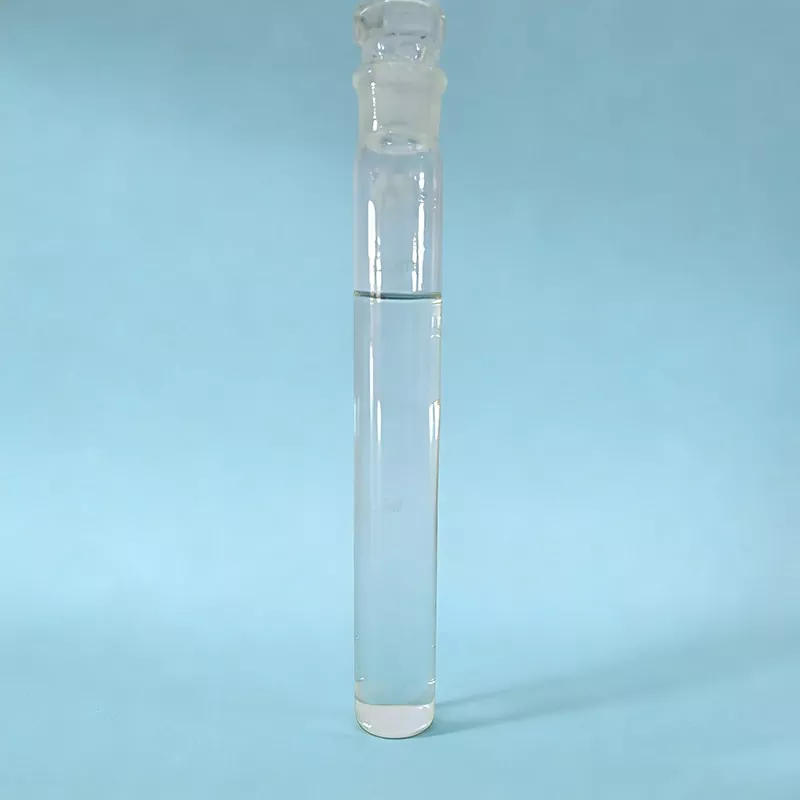
Trimethyl Orthoacetate belongs to Class 3 highly flammable liquids, UN3272, Packaging grade II
Transport vehicles must have qualifications for dangerous goods road transportation, and drivers and escorts must hold certificates to work;
Carry complete MSDS, dangerous goods certificate, safety awareness card, and transportation documents with the vehicle;
Flammable liquid hazardous signs are posted on the vehicle body, and the carriage is grounded to prevent static electricity.
2、 Packaging and sealing for moisture resistance (core, highly susceptible to hydrolysis)
Standard packaging: 200L galvanized iron drum/stainless steel drum, lined with PTFE sealing gasket, the drum mouth is fully tightened and sealed to prevent water vapor from seeping in, hydrolysis and deterioration;
Prohibit long-distance transportation of ordinary thin-walled plastic drums; Use thick HDPE bottles and shock-absorbing outer boxes for small reagent bottles;
Reserve thermal expansion space for filling, do not fill the bucket to the brim, prevent leakage of the bucket due to high temperature turbulence;
The outer packaging wooden box/pallet is reinforced, and the barrel body is wrapped to prevent collision and prevent water from entering through cracks.
3、 Fire and static electricity control
Stay away from open flames, high temperature heat sources, and exhaust pipes throughout the process; All electrical appliances in the carriage are explosion-proof, and non explosion-proof lighting fixtures and mobile phone charging are prohibited from being turned on or off;
Reliable grounding of metal drums throughout loading, unloading, and transportation to eliminate static electricity; Prohibit tools such as plastic hoses and plastic shovels that are prone to friction and static electricity;
Smoking, striking iron objects, and using copper non sparking tools are strictly prohibited in the loading and unloading area;
The transportation compartment is well ventilated to reduce the concentration of combustible vapor accumulation.
4、 Requirements for mixed isolation
It is strictly prohibited to transport in the same vehicle: strong acids, strong oxidants (hydrogen peroxide, potassium permanganate), active metals, acid-base catalysts;
Only three types of flammable liquids can be separately packaged and must not be carried in the same compartment as corrosive, toxic, or water containing materials;
Avoid outdoor loading and unloading on rainy days to prevent rainwater from entering the bucket and accelerating hydrolysis.
5、 Temperature, humidity, and driving environment
Preferred for transportation at night in cool and shady conditions, with a temperature control of ≤ 30 ℃ in the carriage; Sunshade is required for high temperatures in summer, and long-distance driving under direct sunlight at noon is prohibited;
Keep the carriage dry and ventilated, and eliminate moisture and fog; Long distance containers require moisture-proof protection;
Smooth low-speed driving, sudden braking, and severe bumps can easily cause seal loosening and leakage.
6、 Personnel protection and emergency response
Loading and unloading personnel should wear solvent resistant nitrile gloves, goggles, and gas masks, and direct skin contact (irritant sensitization) is prohibited;
Equipped with dry powder fire extinguishers and dry sand on board; It is strictly prohibited to use water to extinguish leaking fires, as water will accelerate hydrolysis and expand volatilization;
Leakage disposal: isolate the fire source, collect and seal with sand, and do not directly flush into the sewer.
7、 Additional requirements for sea freight/export
Book the dangerous goods cabin 12-14 days in advance, submit MSDS, dangerous goods certificate, and DG declaration materials;
The container is sealed and moisture-proof, and a packing certificate is issued upon completion of the packing process; IMDG rules EmS codes F-E, S-D;
Air transportation is limited to cargo planes, following the 364 packaging standard, while passenger planes are restricted to small quantities of packaging.
We use cookies to offer you a better browsing experience, analyze site traffic and personalize content. By using this site, you agree to our use of cookies.Privacy Policy